L’art d’accessoiriser : un guide complet sur les bijoux, les sacs, les chaussures et les touches finales
Les accessoires ont le pouvoir de transformer complètement une tenue. La même robe simple qui a fière allure seule devient mémorable avec le bon collier, le bon sac et les bonnes chaussures. Une combinaison basique de jean et de t-shirt devient un look soigné avec une superbe ceinture, une montre de qualité et la paire de bottes parfaite. Les accessoires font la différence entre être habillé et être stylé : ils démontrent l’attention portée aux détails et l’expression personnelle qui élèvent la mode au rang d’art.
Pourtant, l’accessoirisation est également l’un des aspects de la mode les plus difficiles à maîtriser. Comment choisir les bijoux adaptés à la forme de votre visage ? Combien d’accessoires sont trop nombreux ? Comment créer une collection de sacs et de chaussures qui couvre toutes les occasions sans surcharger votre garde-robe ? Ce guide répondra à ces questions et bien plus encore, vous aidant à maîtriser l’art d’accessoiriser tous les aspects de votre vie.
La philosophie de l’accessoirisation
Avant de plonger dans des catégories spécifiques d’accessoires, il convient d’établir une philosophie directrice. Les tenues les mieux accessoirisées suivent quelques principes de base qui s’appliquent à toutes les catégories et à tous les styles.
Le premier principe est l’intentionnalité. Chaque accessoire que vous portez doit servir un objectif, que cet objectif soit pratique (tenir vos affaires, vous garder au chaud), esthétique (ajouter de la couleur, de la texture ou un intérêt visuel) ou expressif (communiquer quelque chose sur votre personnalité ou votre humeur). Les accessoires portés par habitude ou par obligation plutôt que par intention ont tendance à encombrer plutôt qu’à améliorer une tenue.
Le deuxième principe est la proportion. Les accessoires doivent être adaptés à votre morphologie et les uns aux autres. Un sac surdimensionné sur une petite monture peut être submergé ; une petite pochette sur une grande silhouette peut sembler insuffisante. Le même principe s’applique aux bijoux : de gros colliers sur un cou court, de minuscules boucles d’oreilles sur un visage large, plusieurs bracelets fins sur un grand poignet. La proportion consiste à créer une harmonie visuelle entre vos accessoires et votre corps.
Le troisième principe est l’équilibre. Si votre tenue est simple et discrète, les accessoires peuvent avoir un poids visuel. Si vos vêtements sont audacieux et à motifs, les accessoires doivent être plus sobres. L’équilibre s’applique également à la distribution : si vous portez des boucles d’oreilles tendance, évitez le collier ; si vous portez un gros bracelet, limitez les autres accessoires de poignet au minimum. L’objectif est de créer un tout cohérent où aucun élément ne rivalise pour attirer l’attention.
Le quatrième principe est l’édition. Plus n’est pas toujours mieux. Les looks accessoires les plus percutants impliquent souvent une seule pièce bien choisie plutôt qu’une accumulation de plusieurs. Avant de quitter la maison, jetez un dernier regard dans le miroir et retirez un accessoire. La plupart du temps, vous aurez meilleure mine avec moins. L’édition est la compétence de savoir ce qu’il faut laisser de côté autant que ce qu’il faut ajouter.
Bijoux : la touche personnelle
Les bijoux constituent la catégorie d’accessoires la plus personnelle. Les pièces que vous choisissez de porter au quotidien – votre alliance, votre collier préféré, le bracelet que vous n’enlevez jamais – font partie de votre identité. Construire une collection de bijoux polyvalente vous permet d’exprimer différents aspects de votre personnalité à travers ce que vous portez.
Chaque garde-robe de bijoux doit comprendre une base de pièces de tous les jours que vous pouvez porter sans réfléchir. Ce sont les pièces qui vont avec tout et qui ne semblent jamais déplacées. Une paire de petites boucles d’oreilles créoles en or ou en argent, un simple collier en chaîne avec un petit pendentif, une montre classique avec un bracelet en cuir ou en métal et une ou deux bagues simples constituent la base d’une garde-robe de bijoux qui vous sert au quotidien.
À partir de cette base, vous pouvez créer des pièces tendance qui ajoutent de l’impact à des occasions et des tenues spécifiques. Des boucles d’oreilles tendance – boucles d’oreilles chandelier, créoles surdimensionnées ou motifs sculpturaux – attirent l’attention sur votre visage et peuvent rehausser même la tenue la plus simple. Un collier audacieux remplit un décolleté nu et ajoute du poids visuel au haut de votre corps. Les bagues empilables vous permettent de créer différentes combinaisons selon votre humeur et votre tenue. Les manchettes et les joncs ajoutent du son et du mouvement à vos gestes.
Lorsque vous choisissez des bijoux, tenez compte de la forme de votre visage pour les boucles d’oreilles et les colliers. Les visages ronds bénéficient de formes de boucles d’oreilles angulaires et allongées qui ajoutent de la longueur. Les visages ovales peuvent porter pratiquement n’importe quel style. Les visages carrés sont adoucis par des formes arrondies et des cerceaux. Les visages en forme de cœur sont équilibrés par des boucles d’oreilles qui s’élargissent en bas. Pour les colliers, tenez compte de la longueur de votre cou : les cous plus courts bénéficient de colliers plus longs qui créent des lignes verticales, tandis que les cous plus longs peuvent porter efficacement des styles ras du cou.
Le mélange des métaux était autrefois considéré comme un fashion faux pas, mais en 2026, il est tout à fait acceptable et même encouragé. La clé pour réussir à mélanger l’or et l’argent est de le faire intentionnellement : porter les deux dans des proportions à peu près égales plutôt que de traiter l’un comme un accent par rapport à l’autre. Superposer des colliers de différents métaux, empiler des bagues en métaux mélangés ou porter une montre bicolore sont autant de façons élégantes de mélanger les métaux.
Prendre soin de vos bijoux prolonge leur durée de vie et leur permet de conserver leur belle apparence. Rangez les pièces séparément pour éviter les rayures : une boîte à bijoux avec des compartiments individuels ou des pochettes souples est idéale. Retirez vos bijoux avant de nager, de prendre une douche et de dormir. Nettoyez régulièrement les pièces avec des méthodes appropriées : un chiffon doux pour l’or et l’argent, une brosse douce pour les pierres précieuses, un nettoyage professionnel pour les pièces délicates ou de valeur.
Sacs : la fonctionnalité rencontre la mode
Un sac est à la fois l’accessoire le plus pratique et le plus visible que vous possédez. Il transporte vos essentiels quotidiens et affirme votre style chaque fois que vous quittez la maison. Construire une collection de sacs polyvalents est un investissement à la fois fonctionnel et tendance.
Le sac le plus important de votre garde-robe est votre sac de tous les jours : celui que vous portez la plupart du temps. Pour la plupart des gens, ce sac doit être de taille moyenne, de couleur neutre et fabriqué dans un matériau durable comme du cuir ou une toile de haute qualité. Il doit être suffisamment grand pour transporter vos essentiels quotidiens, mais pas au point de devenir encombrant. Les styles à bandoulière offrent une commodité mains libres, tandis que les sacs à poignée supérieure et à bandoulière offrent un look plus raffiné. Le sac de tous les jours doit refléter votre style de vie : un navetteur a besoin de fonctionnalités différentes de celles d’une personne qui travaille à domicile.
Un fourre-tout structuré est essentiel pour le travail et les environnements professionnels. Assez grand pour transporter un ordinateur portable, des documents et d’autres essentiels de travail, un fourre-tout en cuir de qualité noir, bleu marine ou beige est un investissement rentable. Recherchez des poignées robustes pouvant supporter du poids, une fermeture sécurisée et une organisation intérieure qui garde vos affaires accessibles. Le fourre-tout doit être suffisamment raffiné pour les réunions avec les clients mais suffisamment pratique pour un usage quotidien.
Un sac de soirée ou une pochette est nécessaire pour les occasions sociales. Petit et élégant, ce sac ne doit contenir que l’essentiel : téléphone, clés, rouge à lèvres, porte-cartes. Les métaux, les tons bijou et le noir sont des couleurs classiques des sacs de soirée. Les sacs ornés de perles ou de paillettes ajoutent du glamour, tandis que de simples pochettes en satin ou en cuir offrent une élégance discrète. Le sac de soirée doit être suffisamment petit pour tenir confortablement mais suffisamment grand pour être fonctionnel.
Un sac à bandoulière offre une commodité mains libres pour les journées décontractées, les voyages et les journées chargées où vous avez besoin d’avoir les mains libres. Les sacs à bandoulière de taille moyenne aux couleurs neutres sont les plus polyvalents. Recherchez des bretelles réglables qui vous permettent de porter le sac à la hauteur que vous préférez : la longueur des hanches est la plus flatteuse pour la plupart des morphologies.
Au-delà de ces essentiels, d’autres styles de sacs à considérer incluent un sac à dos pour les voyages et les journées décontractées, un sac banane pour les festivals et les marchés, un sac seau pour un look décontracté mais raffiné et un sac de week-end pour les voyages d’une nuit. La clé est de choisir des sacs qui correspondent à votre style de vie actuel plutôt que des sacs que vous admirez esthétiquement mais que vous utilisez rarement.
L’entretien des sacs prolonge la durée de vie de vos pièces d’investissement. Rangez les sacs avec leur rembourrage d’origine pour conserver leur forme, conservez-les dans des sacs à poussière lorsqu’ils ne sont pas utilisés, nettoyez régulièrement le cuir avec des produits appropriés et traitez rapidement les taches et les dommages. Faites régulièrement pivoter vos sacs pour éviter la surutilisation d’une seule pièce.
Chaussures : la base de chaque tenue
Les chaussures sont la base de chaque tenue et l’un des éléments les plus remarqués de votre apparence. Construire une collection de chaussures polyvalente garantit que vous disposez des chaussures adaptées à chaque occasion et combinaison de tenues.
Une garde-robe de chaussures bien choisies commence par des essentiels polyvalents. Une paire d’escarpins neutres ou de chaussures plates à bout pointu en noir ou nude constitue une base raffinée pour le travail et le soir. Les baskets en cuir blanc épuré sont essentielles pour une tenue décontractée et le week-end, s’associant avec tout, des jeans aux robes. Les bottines en cuir marron ou noir traversent les saisons et s’associent avec des pantalons, des jeans, des jupes et des robes.
Au-delà de ces essentiels, pensez à ajouter des chaussures saisonnières qui élargiront vos options de tenues. Les sandales aux tons neutres pour l’été – des claquettes plates aux styles à talons – sont des essentiels par temps chaud. Les bottes au genou ou au-dessus du genou pour l’automne et l’hiver ajoutent du drame et de la chaleur aux tenues par temps froid. Les mocassins ou les ballerines offrent une alternative confortable et raffinée aux baskets pour un look décontracté et chic.
Lorsque vous investissez dans des chaussures, privilégiez le confort autant que l’esthétique. Les plus belles chaussures du monde ne valent rien si vous ne pouvez pas marcher avec. Recherchez un soutien adéquat de la voûte plantaire, des semelles intérieures rembourrées et des hauteurs de talon stables. Habillez progressivement les nouvelles chaussures – portez-les pendant de courtes périodes à la maison avant de vous engager pour une journée complète. Pensez à demander à un cordonnier d’ajouter des semelles adhérentes ou des inserts de confort pour améliorer la portabilité de vos chaussures préférées.
L’entretien des chaussures prolonge considérablement la durée de vie de vos chaussures. Utilisez des embauchoirs pour conserver leur forme, nettoyez régulièrement le cuir avec des produits appropriés, protégez le daim avec un spray imperméabilisant et faites pivoter vos chaussures pour leur permettre de s’aérer entre les utilisations. Remplacez rapidement les talons et les semelles lorsqu’ils montrent des signes d’usure : un cordonnier peut effectuer ces réparations pour une fraction du coût de chaussures neuves.
Ceintures : définir votre silhouette
Les ceintures servent à la fois à des fins fonctionnelles et esthétiques. Ils maintiennent votre pantalon relevé, mais ils définissent également votre taille, ajoutent un intérêt visuel et peuvent transformer complètement les proportions d’une tenue. Une bonne collection de ceintures est un élément essentiel d’une garde-robe bien accessoirisée.
Chaque garde-robe devrait inclure une fine ceinture en cuir noir et marron, d’environ un pouce de large ou moins. Ces ceintures sont fonctionnelles : elles complètent le look des pantalons et des jeans taille haute sans ajouter de volume. La boucle doit être simple et discrète : une petite forme rectangulaire ou ovale en argent ou en laiton. Ces ceintures doivent correspondre à la couleur et à la formalité de vos chaussures pour un look soigné.
Une ceinture plus large, d’environ deux pouces ou plus, crée une silhouette plus spectaculaire. Portée à la taille naturelle sur des robes, des blazers et des manteaux, une large ceinture définit votre forme et crée une silhouette en sablier. Les ceintures larges aux couleurs neutres sont les plus polyvalentes, mais une ceinture tendance dans une couleur vive ou avec des détails distinctifs peut être le point central d’une tenue.
Les ceintures fantaisie (ceintures en chaîne, ceintures en cuir tressé, ceintures avec boucles décoratives) ajoutent de la personnalité aux tenues simples. Une ceinture en chaîne portée sur une robe midi ou avec un pantalon taille haute ajoute une touche avant-gardiste. Une ceinture en cuir tressé apporte de la texture à une tenue neutre. Une ceinture avec une boucle distinctive devient un sujet de conversation.
Lorsque vous portez une ceinture, pensez aux passants de ceinture sur votre vêtement. Si votre pantalon ou votre jupe ont des passants de ceinture, la ceinture doit y passer. S’il n’y a pas de passants de ceinture, la ceinture est portée comme accessoire par-dessus le vêtement, définissant votre taille et ajoutant un intérêt visuel. La ceinture doit être proportionnée à votre torse : des ceintures plus larges sur les torses plus longs, des ceintures plus étroites sur les torses plus courts.
Écharpes, chapeaux et autres touches finales
Au-delà des bijoux, sacs, chaussures et ceintures, une gamme d’accessoires supplémentaires ajoute de la personnalité et du raffinement à vos tenues. Ces touches finales démontrent une attention aux détails et une compréhension sophistiquée du style.
Les foulards font partie des accessoires les plus polyvalents que vous puissiez posséder. Une grande écharpe en cachemire ou en laine est un indispensable par temps froid qui ajoute à la fois chaleur et style. Un foulard carré en soie peut être porté autour du cou, attaché à une anse de sac, utilisé comme bandeau ou porté comme ceinture – sa polyvalence n’est limitée que par votre créativité. Les écharpes légères en coton ou en lin ajoutent une touche de couleur et de motif aux tenues d’été. La clé du style d’écharpe est l’expérimentation : essayez différents nœuds, drapés et emplacements pour trouver ce qui vous convient.
Les chapeaux font une déclaration de style audacieuse tout en servant à des fins pratiques. Un fedora en laine ou un chapeau à large bord ajoute de la sophistication aux tenues par temps froid et protège de la pluie et du froid. Un chapeau de paille ou un chapeau de soleil est un indispensable par temps chaud qui protège du soleil tout en ajoutant une touche de glamour. Un bonnet ou une casquette tricotée ajoute un style décontracté aux week-ends d’hiver. Une casquette de baseball a évolué au-delà des vêtements de sport pour devenir un accessoire de mode légitime. La clé pour porter des chapeaux est la confiance : portez-les avec l’assurance d’avoir un look fantastique.
Les lunettes de soleil sont à la fois pratiques et élégantes, protégeant vos yeux tout en complétant votre look. La forme de lunettes de soleil la plus flatteuse est généralement l’opposé de la forme de votre visage : montures rondes pour les visages carrés, montures angulaires pour les visages ronds, montures ovales pour les visages en forme de cœur. Les styles classiques comme les aviateurs, les wayfarers et les formes œil de chat sont des choix intemporels qui restent pertinents saison après saison. Investissez dans des verres de qualité qui offrent une protection UV adéquate.
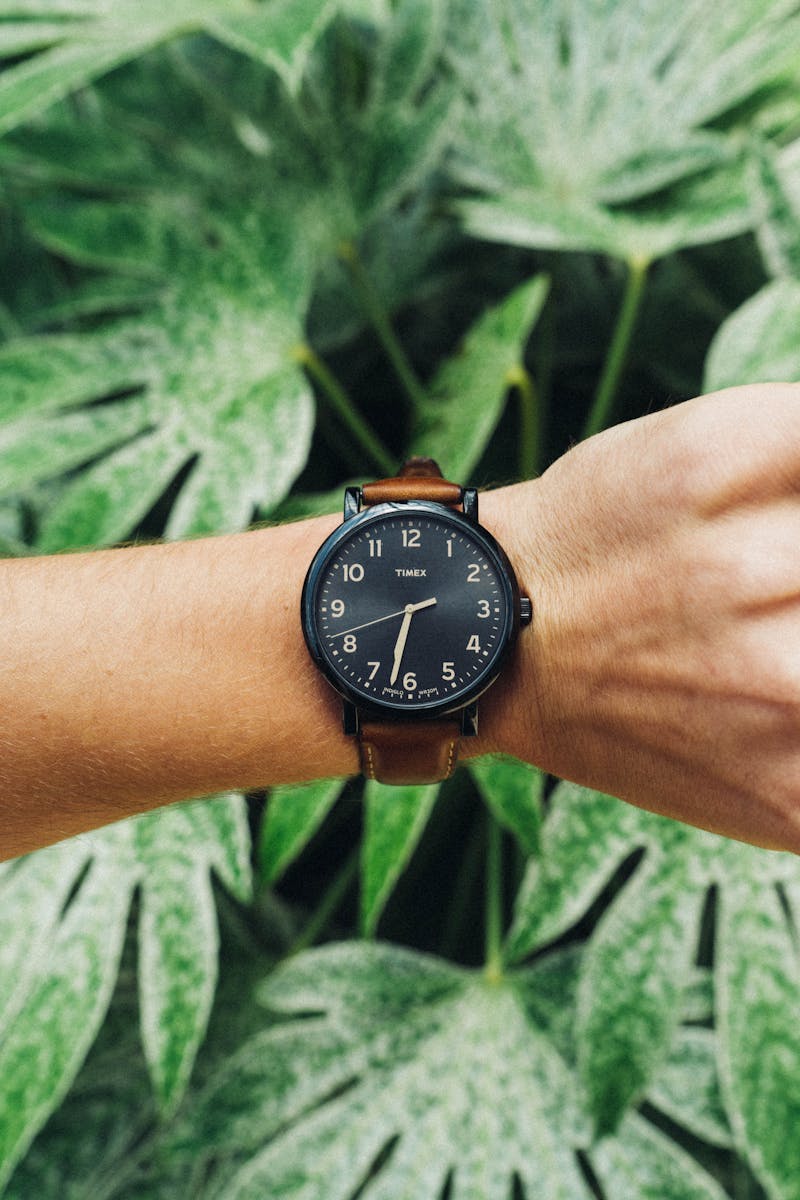
Les montres sont devenues autant des accessoires de mode que des appareils de chronométrage. Une montre classique avec un bracelet en cuir ajoute de la sophistication à n’importe quelle tenue. Une montre à bracelet en métal offre une option plus moderne et polyvalente. Une montre de sport ou une montre intelligente couvre les besoins décontractés et de fitness. Pensez à créer une petite collection de montres qui couvre différentes occasions : une montre habillée pour les tenues de soirée, une montre quotidienne pour tous les jours et une montre de sport pour les journées décontractées et actives.
Les bas et les chaussettes sont des opportunités d’expression personnelle subtile. Les bas transparents de couleur chair ou noire ajoutent du raffinement aux tenues professionnelles et formelles. Les collants colorés ou à motifs ajoutent de la personnalité aux robes et jupes pour temps froid. Des chaussettes intéressantes – à motifs, colorées ou texturées – ajoutent une touche ludique aux pantalons courts et aux jupes. La clé est de choisir des bas qui complètent plutôt que rivalisent avec votre tenue.
Rassembler tout cela
L’art d’accessoiriser réside dans la combinaison harmonieuse des éléments. Commencez par votre tenue et identifiez ses besoins : a-t-elle besoin de couleur, de texture, de structure ou de personnalité ? Choisissez un ou deux accessoires centraux et construisez autour d’eux. Si vous portez des boucles d’oreilles tendance, évitez le collier et limitez les autres bijoux au minimum. Si vous portez un collier audacieux, faites-en la pièce maîtresse et choisissez des boucles d’oreilles plus simples, un sac plus petit et des chaussures sobres.
Pensez à l’occasion lorsque vous accessoirisez. Les environnements professionnels nécessitent des accessoires plus sobres : des bijoux plus petits, des sacs structurés, des chaussures cirées. Les occasions sociales permettent des choix plus audacieux : bijoux tendance, sacs de soirée, chaussures spectaculaires. Les environnements décontractés invitent à l’expression personnelle et à l’expérimentation : bijoux superposés, sacs à bandoulière, chaussures confortables mais élégantes.
Les considérations saisonnières comptent également. Au printemps et en été, des accessoires plus légers aux couleurs plus vives et aux matériaux naturels complètent l’esthétique de la saison. Les sacs de paille, les bijoux en coquillages, les foulards en coton et les chaussures à bout ouvert sont des accessoires indispensables par temps chaud. En automne et en hiver, les textures plus riches et les couleurs plus foncées prennent tout leur sens. Des gants en cuir, des écharpes en laine, des sacs en velours et des bottes hauteur genou ajoutent chaleur et sophistication aux tenues par temps froid. Les accessoires de transition, comme une écharpe de poids moyen ou un fourre-tout polyvalent, vous accompagneront entre les saisons.
Développer un style d’accessoire emblématique peut devenir une partie de votre marque personnelle. Pensez aux personnages emblématiques connus pour un accessoire spécifique : Audrey Hepburn et ses lunettes de soleil surdimensionnées, Carrie Bradshaw et son collier prénom, Jackie Kennedy et ses chapeaux de casemate. Même s’il n’est pas nécessaire d’être aussi extrême, avoir un accessoire emblématique (un style particulier de boucle d’oreille que vous portez toujours, une écharpe préférée qui apparaît dans de nombreuses tenues, un sac distinctif que les gens vous associent) ajoute de la cohérence à votre style personnel et facilite votre habillage.
Les accessoires de voyage nécessitent une attention particulière. Lors de votre préparation, choisissez des accessoires qui maximisent la polyvalence : une écharpe neutre qui fait office d’écharpe, un sac qui passe du jour au soir, des bijoux qui s’agencent avec plusieurs tenues. Limitez-vous à deux paires de chaussures (une décontractée, une habillée) et un ou deux sacs (un bandoulière pour la journée, une pochette pour le soir). La contrainte du voyage vous oblige à être intentionnel sur ce que vous apportez et se traduit souvent par des tenues les plus cohérentes.
Laissez vos accessoires refléter votre personnalité. Si vous êtes naturellement audacieux et extraverti, vos accessoires peuvent refléter cette énergie. Si vous êtes plus réservé et sobre, vos accessoires peuvent être minimes et intentionnels. Les personnes les plus élégantes sont celles dont les accessoires leur semblent authentiques : non pas celles qui suivent toutes les tendances, mais celles qui utilisent des accessoires pour exprimer leur point de vue unique.
Conclusion
L’accessoirisation est l’un des aspects les plus gratifiants de la mode car elle offre des possibilités illimitées de créativité et d’expression de soi. Les bons accessoires ont le pouvoir de transformer non seulement votre tenue, mais aussi votre humeur et votre confiance. Quand vous savez que vous avez fière allure – quand chaque détail est intentionnel, chaque pièce sert un but et que le tout est plus grand que la somme de ses parties – vous vous comportez différemment. Vous vous tenez plus grand, souriez plus facilement et vous engagez dans le monde avec plus d’assurance. C’est le vrai pouvoir des accessoires.
La même tenue peut être complètement différente avec différents accessoires : une robe adaptée au bureau avec un blazer et des escarpins devient digne d’une soirée avec des bijoux tendance et des talons, puis décontractée avec des baskets et un sac à bandoulière. Cette polyvalence est la magie des accessoires.
Construisez votre collection d’accessoires progressivement, en investissant dans des pièces de qualité qui reflètent votre style personnel et répondent à votre style de vie. Prenez soin de ce que vous possédez, modifiez-le avec soin et portez tout en toute confiance. L’art d’accessoiriser est en fin de compte l’art de s’exprimer : utiliser la touche finale pour communiquer qui vous êtes sans dire un mot.