Le guide complet du denim en 2026 : styles, coupes et comment porter des jeans pour chaque morphologie et chaque occasion
Le denim est depuis longtemps l’épine dorsale de la garde-robe moderne. Depuis ses humbles origines comme vêtement de travail pour les mineurs et les ouvriers à la fin du XIXe siècle jusqu’à son statut actuel d’incontournable de la mode mondiale, le denim est peut-être le tissu le plus démocratique qui existe. En 2026, le denim continue d’évoluer, avec de nouvelles silhouettes, des innovations durables et des possibilités de style qui le rendent plus polyvalent que jamais.
Que vous construisiez une garde-robe capsule à partir de zéro ou que vous cherchiez à rafraîchir votre collection de jeans existante, ce guide complet vous guidera à travers tout ce que vous devez savoir sur le denim en 2026, de la compréhension des différentes coupes et coupes à la maîtrise de l’art de styliser le denim pour chaque occasion.
Une brève histoire du denim : des vêtements de travail aux essentiels de la garde-robe
Comprendre l’origine du denim permet d’expliquer pourquoi il reste si pertinent aujourd’hui. Le tissu lui-même est originaire de la ville française de Nîmes, ce qui nous donne le terme « denim ». (de Nîmes, signifiant « de Nîmes »). La ville italienne de Gênes produisait un tissu de futaine en coton similaire, connu sous le nom de « jeans ». (une corruption du nom français de Gênes, Gênes).
En 1873, Jacob Davis et Levi Strauss se sont associés pour créer le premier pantalon en jean riveté, conçu pour résister aux conditions éprouvantes de la ruée vers l’or en Californie. Ces premiers jeans étaient utilitaires – renforcés par des rivets en cuivre aux points de tension, fabriqués à partir de denim épais et conçus pour être fonctionnels plutôt que tendance. Ils ne savaient pas qu’ils avaient inventé ce qui allait devenir l’un des vêtements les plus durables de l’histoire de l’humanité.
Les années 1950 ont vu le denim passer du statut de vêtement de travail à celui de symbole de rébellion, grâce à des icônes culturelles comme James Dean dans « Rebel Without a Cause » ; et Marlon Brando dans “The Wild One”. Soudain, les jeans représentaient la jeunesse, l’indépendance et une rupture avec les normes sociales conservatrices. Cette association avec la contre-culture s’est poursuivie dans les années 1960 et 1970, lorsque les jeans à pattes d’éléphant sont devenus synonymes du mouvement hippie et du sentiment contestataire.
Les années 1980 et 1990 marquent la prise de contrôle totale du denim par rapport à la mode grand public. Le denim de créateurs est devenu une catégorie de luxe, avec des marques comme Calvin Klein, Guess et Diesel proposant des prix élevés pour des jeans bien ajustés. Les années 1990 nous ont tout offert, des jeans amples et surdimensionnés influencés par la culture hip-hop à l’essor du denim vintage et vieilli. C’est également à cette époque que les vestes, jupes et chemises en jean sont devenues des incontournables de la garde-robe.
Le début des années 2000 a marqué le règne du jean skinny, une silhouette ajustée qui a dominé la mode pendant près de deux décennies. Mais à mesure que nous entrions dans les années 2020, le pendule a commencé à revenir vers des coupes plus amples et plus décontractées. Les jeans à jambe droite ont remplacé les jeans skinny comme choix par défaut, et la tendance vers des silhouettes plus variées s’est accélérée. En 2024, nous avons assisté à une véritable célébration de la diversité du denim, avec toutes les coupes, de l’ultra-large au slim ajusté, coexistant dans le paysage des styles.
Aujourd’hui, en 2026, le denim est entré dans un nouvel âge d’or. Les règles rigides des décennies précédentes ont été dissoutes, remplacées par une approche plus expressive et plus expressive du style. Le développement le plus excitant est qu’il n’existe pas de « droit » unique ; façon de porter le denim — la seule règle est que vous vous sentiez en confiance et à l’aise.
Comprendre les coupes et les coupes du denim en 2026
La décision la plus importante que vous prendrez lors de l’achat d’un jean est de choisir la bonne coupe. En 2026, le marché propose une gamme de silhouettes sans précédent, chacune créant un effet différent sur votre look général. Voici une liste détaillée des coupes les plus populaires disponibles aujourd’hui.
Jean droit
Les jeans à jambe droite ont conservé leur position de coupe la plus universellement flatteuse et polyvalente. Comme son nom l’indique, ces jeans conservent la même largeur du genou à la cheville, créant une ligne verticale épurée qui allonge le corps. Les jeans à jambe droite conviennent aussi bien aux hommes qu’aux femmes, et ils se marient parfaitement avec tout, des baskets aux bottes à talons. En 2026, la jambe droite est devenue le nouveau « basique » du sport. – le choix incontournable qui constitue la base d’une garde-robe bien organisée. Recherchez des paires de taille moyenne (juste au niveau de la taille naturelle) pour une silhouette des plus intemporelles.
Jeans larges et à jambes cylindriques
La plus grande histoire du denim du milieu des années 2020 a peut-être été la montée en puissance des silhouettes à jambes larges et à jambes cylindriques. Ces coupes spectaculaires présentent un volume important sur toute la jambe, créant un look audacieux et avant-gardiste. Les jeans à jambe cylindrique (également appelés jeans en fer à cheval ou ballon) se courbent vers l’extérieur au niveau du genou avant de se rétrécir légèrement au niveau de la cheville, créant une forme de croissant distinctive. Les jeans à jambes larges maintiennent un volume constant de la hanche à l’ourlet. Les deux styles nécessitent un style confiant mais offrent un impact maximal. Ils ont l’air particulièrement frais lorsqu’ils sont associés à des hauts ajustés, des bodys ou des t-shirts rentrés pour équilibrer le volume en dessous.
Jean bootcut et évasé
Le retour des jeans bootcut et évasés a été l’une des tendances les plus marquantes de 2026. Ces styles présentent une cuisse ajustée qui s’élargit progressivement du genou jusqu’à l’ourlet. Les jeans bootcut classiques ont une coupe évasée subtile (suffisamment large pour s’adapter aux bottes), tandis que les vrais jeans évasés s’étendent de manière plus spectaculaire vers l’extérieur pour un look inspiré des années 1970. Les versions modernes mettent à jour les proportions avec des hauteurs plus élevées et des finitions plus épurées. Ces coupes sont exceptionnellement flatteuses car elles créent une ligne de jambe allongée et équilibrent les épaules ou les hanches plus larges. Portez-les avec des bottes à talons ou des chaussures à plateforme pour maximiser l’effet allongé.
Jeans décontractés et boyfriend
Pour celles qui privilégient le confort sans sacrifier le style, les jeans coupe décontractée et boyfriend restent d’excellents choix. Les jeans décontractés offrent un espace confortable au niveau des hanches et des cuisses tout en conservant une jambe relativement droite. Les jeans Boyfriend – empruntés à l’esthétique masculine – sont coupés plus amples et présentent souvent une taille légèrement plus basse et une sensation légèrement ample. La clé pour styliser ces coupes plus amples est la proportion : associez-les à des pièces plus ajustées ou plus ajustées par-dessus pour éviter d’avoir l’air submergé par le tissu.
Jeans slim et skinny
Même si les jeans skinny ne dominent plus les conversations mode comme c’était le cas dans les années 2010, ils n’ont en aucun cas disparu. En 2026, les jeans skinny et slim fit sont devenus une option parmi tant d’autres : un choix fiable à glisser dans des bottes, à porter sous des manteaux longs ou des tuniques, ou à créer une silhouette élégante et épurée. Le jean skinny moderne a tendance à être moins serré que ses prédécesseurs, avec un peu plus d’espace pour respirer au niveau de la jambe tout en conservant une coupe ajustée. Cette approche actualisée les rend plus confortables et plus polyvalents que les styles à compression du passé.
Jeans courts et longueur cheville
Les jeans courts (ceux qui tombent au-dessus de la cheville) sont devenus de plus en plus populaires car les gens cherchent des moyens de mettre en valeur leurs chaussures. Disponibles dans pratiquement toutes les coupes (droites, larges, slim ou bootcut), les jeans courts créent un look délibéré et stylé qui attire l’attention sur vos chaussures et vos chevilles. Les jeans jusqu’aux chevilles fonctionnent particulièrement bien pendant les saisons de transition et se marient à merveille avec des mocassins, des mules, des baskets et des bottines. Ils constituent également un excellent choix pour les petites, car montrer plus de chevilles peut créer l’illusion de jambes plus longues.
Comment choisir le jean parfait pour votre morphologie
La leçon la plus importante en matière d’achat de jeans est que la coupe est personnelle. Un style qui semble incroyable à une personne peut sembler tout à fait faux à une autre – et c’est tout à fait normal. Le but n’est pas de suivre aveuglément les tendances mais de trouver des coupes qui vous mettent en valeur. Voici des lignes directrices pour différents types de corps, en gardant à l’esprit qu’il s’agit de suggestions et non de règles.
Pour les petits cadres
Si vous êtes plutôt petit, la considération la plus importante est la proportion. Recherchez des jeans avec une taille plus haute, car cela allonge visuellement vos jambes. Les coupes droites et slim-droites créent une ligne verticale continue qui ajoute de la hauteur. Les styles courts peuvent également fonctionner à merveille, car ils révèlent la cheville et créent l’illusion de membres plus longs. Évitez les coupes trop larges ou volumineuses, qui peuvent submerger une silhouette plus petite. Il est essentiel d’ourler votre jean à la longueur parfaite – même un demi-pouce peut faire une différence spectaculaire. De nombreuses marques proposent désormais des longueurs d’entrejambe plus courtes (26 ou 27 pouces), ce qui rend plus facile que jamais de trouver des jeans qui conviennent immédiatement.
Pour les silhouettes de grande taille
Les montures hautes peuvent facilement porter pratiquement n’importe quelle silhouette en jean. Les jeans larges et évasés sont particulièrement frappants sur les jambes plus longues, car le volume de la coupe complète vos proportions. Recherchez des marques proposant des entrejambes plus longs (34 ou 36 pouces) pour garantir une pause adéquate au niveau de la chaussure. Les styles courts destinés à arriver au-dessus de la cheville peuvent atterrir à un point différent sur une monture plus haute, alors essayez-les ou faites attention à la mesure de l’entrejambe. Les styles taille haute conviennent bien aux silhouettes de grande taille, car ils créent une proportion équilibrée entre le haut et le bas du corps.
Pour les types de corps courbés
Si vous constatez une différence significative entre vos mesures de taille et de hanches, trouver un jean qui s’adapte confortablement aux deux zones peut s’avérer difficile. Recherchez les marques qui proposent des vêtements « courbés ». ou “sablier” coupes, qui sont conçues avec une ceinture plus étroite et plus d’espace au niveau des hanches et des cuisses. Le denim extensible (généralement 1 à 3 % d’élasthanne) offre une souplesse bienvenue au niveau des hanches tout en conservant la forme de la taille. Les styles bootcut et évasés créent un équilibre visuel pour les silhouettes plus courbées, tandis que les coupes droites offrent un look épuré et proportionné. Évitez les styles qui s’ouvrent à la taille ou qui tirent sur les hanches : ce sont des signes que la coupe ne correspond pas à vos proportions.
Pour les morphologies athlétiques et droites
Si vous avez une silhouette plus athlétique avec moins de différenciation de la taille aux hanches, vous disposez d’une énorme flexibilité dans le choix des jeans. Les coupes décontractées et droites ont tendance à paraître particulièrement naturelles, car elles suivent la ligne de votre corps sans ajouter de volume inutile. Si vous avez développé des cuisses en faisant du vélo, de la course à pied ou de la musculation, recherchez des coupes avec un peu plus d’espace dans la zone quadruple – des coupes droites effilées ou fines qui s’adaptent aux muscles tout en conservant une ligne nette dans le bas de la jambe. De nombreuses silhouettes sportives préfèrent les jeans taille mi-haute, qui s’ajustent confortablement à la taille naturelle sans laisser d’espace.
Pour des silhouettes plus complètes
Le denim grande taille a subi une transformation remarquable ces dernières années, les marques proposant enfin la même gamme de coupes, de délavages et de détails dans toutes les tailles. Recherchez des jeans de taille plus haute (10 pouces ou plus), qui offrent une couverture confortable et créent une silhouette lisse. Les modèles bootcut et coupe droite offrent des proportions équilibrées, tandis que les délavages foncés ont un effet naturellement amincissant. Le facteur le plus important est le confort : les jeans doivent être agréables lorsque vous vous asseyez, vous penchez et bougez. Un denim stretch de qualité qui conserve sa forme tout au long de la journée vaut la peine d’investir. Des marques comme Good American, Universal Standard et Madewell ont été les pionnières d’une technologie d’excellente coupe pour des silhouettes plus amples.
Un jean stylé pour chaque occasion
L’une des plus grandes forces du denim est sa remarquable polyvalence. Une seule paire de jeans bien choisie peut vous accompagner du café du matin au dîner du soir avec un simple changement de haut, de chaussures et d’accessoires. Voici comment adapter le denim à différents contextes et occasions.
Looks décontractés de tous les jours
La beauté du style décontracté du denim réside dans sa simplicité. Pour un uniforme de week-end classique, associez votre jean droit ou décontracté préféré à un simple t-shirt blanc (la qualité compte – recherchez un coton épais avec un décolleté épuré). Ajoutez une paire de baskets blanches épurées et une ceinture en cuir pour un look qui ne se démodera jamais. Par temps plus frais, portez-le avec une veste en jean (le double denim, ou le « smoking canadien », fonctionne lorsqu’il y a suffisamment de contraste entre les lavages) ou un trench-coat classique. Pour les femmes, un pull en cachemire ou en coton doux rentré dans un jean droit taille haute crée un look décontracté instantanément raffiné. La clé du denim décontracté est de choisir des pièces qui vous vont bien et qui vous ressemblent : il n’est pas nécessaire d’y penser trop.
Looks intelligents décontractés et de bureau
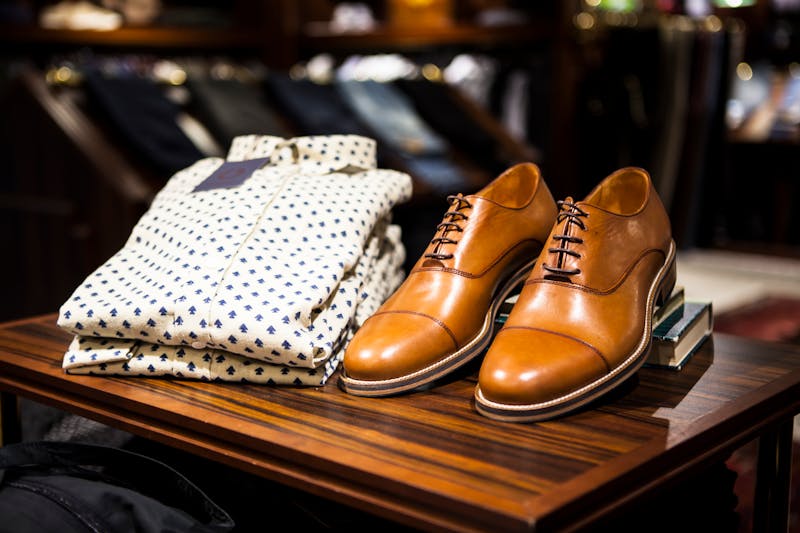
Le denim est devenu de plus en plus acceptable dans les environnements de travail, même si la clé réside dans la façon dont vous le portez. Pour un look de bureau élégant et décontracté, choisissez un jean foncé ou noir délavé – ceux-ci se lisent comme plus formels que le denim clair ou vieilli. Associez-les à un blazer ou une veste structurée, une chemise boutonnée ou un chemisier en soie et des mocassins en cuir ou des talons bas. La combinaison de pièces raffinées avec du denim décontracté crée un contraste intentionnel qui se lit comme élégant plutôt que négligé. Pour les hommes, un jean droit délavé foncé porté avec un manteau de sport, une chemise boutonnée en tissu oxford et des derbies en cuir ou des bottes chukka offre l’équilibre parfait entre décontracté et professionnel. Évitez les jeans déchirés, délavés ou trop vieillis sur le lieu de travail et assurez-vous que vos jeans sont correctement ourlés : l’accumulation de tissu au niveau de la cheville nuit à un look soigné.
Looks de soirée et de rendez-vous
Le denim peut parfaitement convenir aux soirées lorsqu’il est porté avec intention. L’astuce consiste à rehausser l’apparence générale grâce au tissu, à la coupe et aux accessoires. Choisissez des jeans dans un délavage plus foncé ou noir – ceux-ci se lisent intrinsèquement comme plus formels. Associez-les à des tissus raffinés comme la soie, le satin, le cachemire ou le cuir. Un jean noir slim ou droit porté avec un caraco en soie ou un col roulé en cachemire, des bijoux tendance et des bottes ou des escarpins à talons crée un look de soirée sophistiqué à la fois confortable et raffiné. Pour les hommes, un denim brut délavé foncé porté avec un blazer bien ajusté, une chemise de ville blanche impeccable (non rentrée pour une ambiance moderne) et des bottines Chelsea donnent une note de soirée confiante. L’objectif est de laisser le denim servir de base à une tenue globale plus raffinée.
Style saisonnier
Le denim s’adapte à merveille à chaque saison. Au printemps et en été, des lavages plus légers et des coupes plus amples vous gardent au frais et à l’aise. Un jean court ou jusqu’à la cheville associé à des sandales, des espadrilles ou des baskets en toile créent un look léger par temps chaud. Le denim blanc, classique de l’été, reste d’actualité en 2026, notamment dans les coupes droites et larges. En automne et en hiver, les délavages plus foncés, le denim brut et les épaisseurs plus lourdes prennent tout leur sens. Superposez des jeans avec des pulls tricotés, des manteaux en laine, des vestes en cuir et des bottes pour un style par temps froid. Les jeans bootcut et évasés se marient particulièrement bien avec les bottes d’hiver, tandis que les jeans à jambe droite se glissent facilement dans les bottes hauteur genou. La possibilité de superposer les couches fait du denim un véritable incontournable de la garde-robe quatre saisons.
Denim durable : l’avenir du jean
L’industrie de la mode est l’une des industries les plus polluantes au monde et la production de denim a toujours contribué de manière significative à la dégradation de l’environnement. La culture conventionnelle du coton nécessite d’énormes quantités d’eau et de pesticides, tandis que les processus de teinture et de finition du denim impliquent des produits chimiques toxiques et génèrent des déchets importants. La bonne nouvelle est que l’industrie du denim subit une profonde transformation en matière de durabilité et que les consommateurs en 2026 disposeront d’options plus respectueuses de l’environnement que jamais.
Les innovations en matière de denim durable se répartissent en plusieurs catégories. Le coton biologique élimine les pesticides et les engrais synthétiques utilisés dans la culture conventionnelle du coton, protégeant ainsi la santé des sols, les systèmes d’eau et les agriculteurs. Le denim recyclé – fabriqué à partir de déchets de denim post-consommation ou post-industriels – réduit la demande de matériaux vierges et évite que les déchets textiles ne finissent dans les décharges. Certaines marques lancent des programmes de denim circulaires qui récupèrent les vieux jeans et les recyclent en de nouveaux, bouclant ainsi la boucle de la production textile.
La conservation de l’eau a été un objectif majeur des efforts de durabilité du denim. La production traditionnelle de denim peut utiliser jusqu’à 1 500 gallons d’eau par paire de jeans, mais des techniques innovantes telles que le lavage à l’ozone, la finition au laser et le recyclage de l’eau par osmose inverse ont considérablement réduit la consommation d’eau. De grandes marques comme Levi’s, Patagonia et Nudie Jeans ont pris des engagements importants en matière de gestion de l’eau, certaines signalant des réductions allant jusqu’à 96 % de leur consommation d’eau pour leurs processus de finition.
La gestion des produits chimiques est un autre domaine critique à améliorer. La finition conventionnelle du denim implique souvent du permanganate de potassium, des pierres ponces et de l’eau de Javel, qui génèrent toutes des eaux usées dangereuses. Les alternatives modernes incluent la décoloration par l’ozone, qui utilise l’oxygène pour obtenir des effets de détresse, et la décoloration au laser, qui reproduit précisément l’apparence d’années d’usure sans aucun traitement chimique. Ces technologies réduisent non seulement l’impact environnemental, mais créent également des finitions plus cohérentes et reproductibles.
En tant que consommateur, vous pouvez faire des choix de denim plus durables en achetant moins de paires et de meilleure qualité ; choisir du denim biologique ou recyclé lorsque cela est possible ; laver vos jeans moins fréquemment (les experts en denim recommandent de les laver toutes les 10 à 30 utilisations) ; et réparer plutôt que remplacer le denim endommagé. De nombreuses marques proposent désormais des services de réparation gratuits, et une communauté croissante d’artisans du denim se spécialise dans le raccommodage invisible qui prolonge indéfiniment la durée de vie de vos jeans préférés.
Le jean le plus durable est celui que vous possédez déjà, et le deuxième plus durable est celui que vous porterez pendant des années. Investir dans la qualité plutôt que dans la quantité n’est pas seulement un choix environnemental ; c’est un choix de style qui mène à une garde-robe plus soignée et personnelle.
Entretien du jean : faire durer votre jean
Un entretien approprié est essentiel pour maximiser la durée de vie de votre denim. Le denim brut ou selvedge de haute qualité peut durer des décennies avec un entretien approprié, mais même le denim stretch standard bénéficie considérablement d’un entretien attentionné. Voici des conseils d’experts pour garder vos jeans à leur meilleur.
Laver avec parcimonie. C’est la règle la plus importante en matière d’entretien du denim. Un lavage excessif décolore le tissu, décompose les fibres et provoque une usure inutile. La plupart des experts en denim recommandent de laver les jeans toutes les 10 à 30 fois, en fonction de l’intensité de leur port et de leur exposition à la saleté et à la sueur. Pour les amateurs de denim brut, l’objectif est souvent de passer six mois ou plus avant le premier lavage pour développer des motifs de décoloration personnalisés (appelés « fondus » ou « moustaches »).
Lorsque vous lavez vos jeans, retournez-les pour protéger la surface extérieure de l’abrasion. Utilisez de l’eau froide et un détergent doux spécialement formulé pour les tissus foncés ou le denim. Évitez les assouplissants textiles, qui recouvrent les fibres de produits chimiques qui peuvent détruire leur élasticité avec le temps. Si possible, lavez vos jeans à la main dans un évier ou une baignoire : c’est plus doux que le lavage en machine et vous donne plus de contrôle sur le processus.
Le séchage à l’air est fortement recommandé plutôt que le séchage en machine. La chaleur du sèche-linge endommage les fibres élastiques, provoque un rétrécissement et accélère la décoloration. Accrochez votre jean par la ceinture (et non par les poignets, qui pourraient le déformer) ou laissez-le sécher à plat. Si vous préférez la coupe des jeans séchés au sèche-linge, retirez-les du sèche-linge alors qu’ils sont encore légèrement humides et terminez le séchage à l’air libre pour minimiser les dommages.
Le stockage est important. Pliez votre jean plutôt que de le suspendre, ce qui pourrait provoquer un étirement au niveau de la ceinture et créer des plis indésirables au niveau des points de serrage. Empilez-les soigneusement sur une étagère ou rangez-les dans un tiroir. Si vous devez les accrocher, utilisez un cintre à clip au niveau de la taille plutôt qu’un cintre traditionnel passant dans les passants de ceinture.
Faites attention aux réparations. Détecter rapidement les petits problèmes (un fil lâche, une pièce de tissu amincissante, un ourlet légèrement usé) peut éviter qu’ils ne deviennent des problèmes majeurs. De nombreux nettoyeurs à sec proposent des réparations de base du denim, et les ateliers de réparation spécialisés en denim peuvent effectuer des réparations invisibles qui rendent les réparations pratiquement indétectables. Un petit investissement dans l’entretien peut ajouter des années à votre jean. durée de vie utile.
Le denim au-delà du jean : vestes, chemises et accessoires
Bien que le jean soit le vêtement en jean le plus emblématique, la polyvalence de ce tissu s’étend bien au-delà du pantalon. Une garde-robe complète en jean comprend plusieurs pièces clés sans denim qui élargissent les possibilités de style de manière exponentielle.
La veste en jean est peut-être la pièce superposée la plus essentielle après le jean lui-même. En 2026, la veste de camionneur classique — introduite pour la première fois par Levi’s en 1962 sous le nom de veste Type III — reste un incontournable, mais les variantes contemporaines ont considérablement élargi la catégorie. Les vestes en jean surdimensionnées, les vestes en jean courtes et les surchemises en jean non structurées, semblables à des chemises, offrent toutes différentes possibilités de style. Une veste en jean bien ajustée au délavage moyen est l’un des vêtements d’extérieur les plus polyvalents que vous puissiez posséder, s’associant aussi bien avec des robes, des pantalons, des jupes et, oui, avec d’autres jeans (à condition que les délavages contrastent suffisamment).
Les chemises et les chemises en jean sont un incontournable de la garde-robe depuis des décennies, mais les versions modernes offrent des coupes et des finitions actualisées. Recherchez des chemises en jean avec un toucher légèrement plus doux et une coupe plus ajustée que les versions traditionnelles inspirées des vêtements de travail. Une chemise en chambray – fabriquée à partir d’un tissu uni plus léger qui imite l’apparence du denim – est une excellente alternative pour les températures plus chaudes ou les occasions plus raffinées. Les chemises en jean peuvent être portées boutonnées, ouvertes sur un t-shirt, nouées à la taille ou même portées comme une veste légère.
Les jupes en jean ont connu un regain de popularité ces dernières années. Des minijupes aux longueurs midi en passant par les jupes longues qui balayent le sol, la gamme de silhouettes de jupes en jean disponibles en 2026 est remarquable. Les minijupes trapèze et droites offrent une énergie ludique et jeune, tandis que les jupes en jean plus longues aux délavages plus foncés créent une ligne plus sophistiquée et allongée. Les tenues avec jupe en jean sont idéales pour la mi-saison, s’associant bien avec des collants et des bottes en automne ou des sandales et des hauts légers en été.
Les accessoires en jean (sacs, chaussures, chapeaux et ceintures) offrent une façon subtile d’incorporer le tissu à votre tenue sans vous engager dans un vêtement entièrement en jean. Un sac fourre-tout en jean ou un sac à bandoulière ajoute un élément décontracté et texturé à n’importe quelle tenue. Les chaussures en jean, des baskets classiques en toile aux mocassins et ballerines en jean plus avant-gardistes, sont à la mode en 2026. Même les chapeaux et les casquettes en jean offrent un moyen de faire un clin d’œil à la tendance de manière minimale et accessible. La beauté des accessoires en jean réside dans le fait qu’ils peuvent être mélangés avec d’autres pièces en jean sans entrer en conflit : un sac en jean porté avec une veste en jean et un jean crée un look éditorial cohérent lorsque les délavages sont judicieusement coordonnés.
Tendances émergentes du denim pour 2026
Alors que nous avançons vers 2026, plusieurs tendances distinctives en matière de denim sont apparues et méritent d’être surveillées. Ces tendances reflètent des changements plus larges dans la façon dont les gens perçoivent la mode : vers l’individualité, la durabilité et l’expression personnelle.
Les jeans taille haute ont fait un retour notable après plusieurs années de domination des tailles moyennes et basses. Le retour de la taille haute (assise au niveau ou au-dessus de la taille naturelle) reflète une appréciation croissante pour les proportions flatteuses et la coupe confortable qu’offre cette silhouette. Les jeans taille haute se marient à merveille avec des hauts courts et ajustés, des chemisiers rentrés et la tendance de plus en plus populaire en matière de ceinture.
Le denim brut et non lavé continue de gagner du terrain parmi les amateurs de denim qui apprécient la décoloration personnalisée qui se développe avec l’usure. Le denim brut commence par être foncé et rigide et s’adapte progressivement à votre corps, développant des motifs de décoloration uniques qui reflètent vos habitudes de mouvement et votre style de vie. Cette approche du denim est intrinsèquement durable : elle encourage à acheter moins de pièces de meilleure qualité et à les porter plus longtemps.
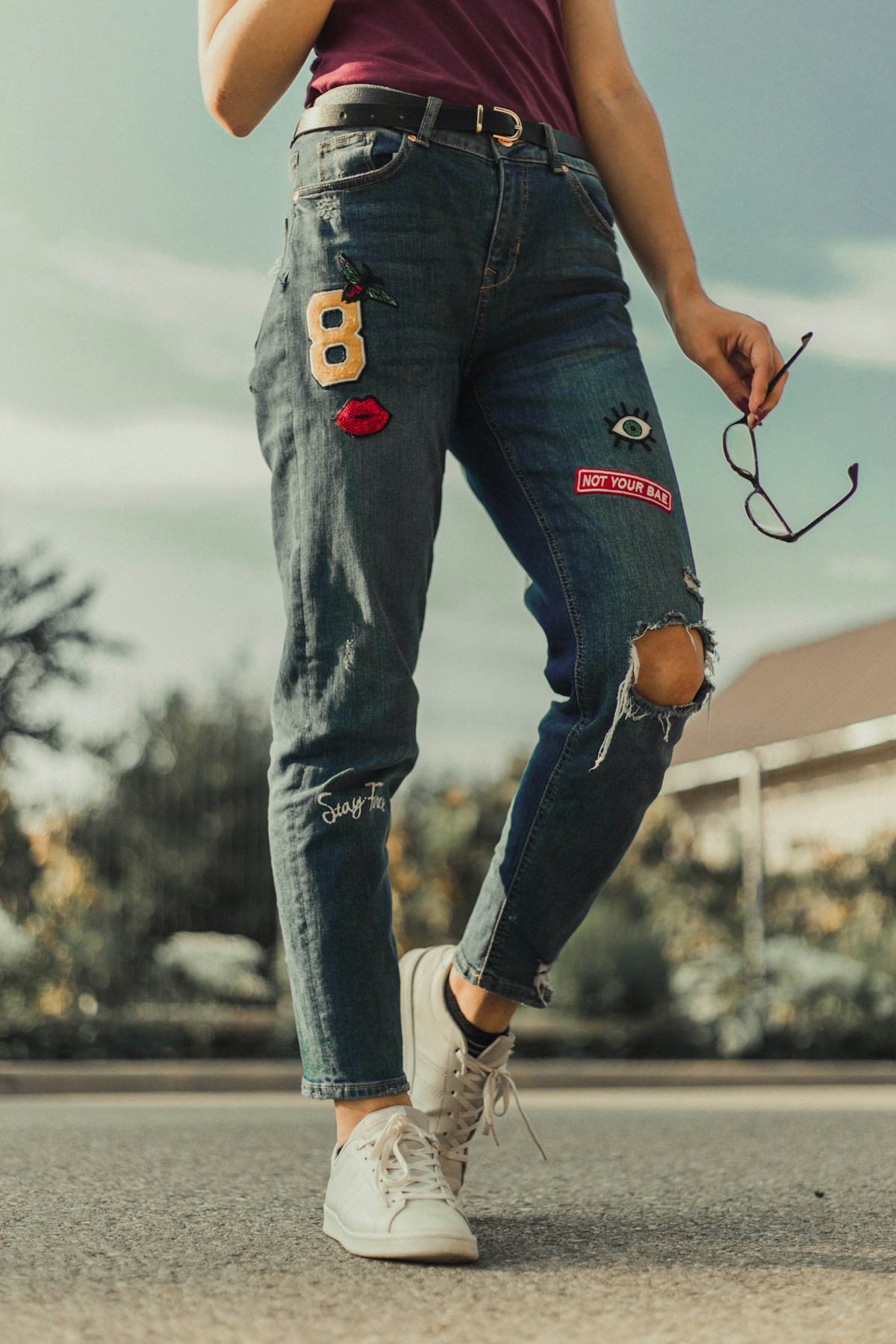
Le patchwork et le denim orné sont devenus une tendance majeure, les créateurs incorporant des empiècements en denim contrastés, des détails brodés, des perles et des appliqués dans les jeans, les vestes et les jupes. Cette tendance célèbre l’individualité et le savoir-faire, transformant le denim d’un basique en une pièce tendance. Pour ceux qui préfèrent une approche DIY, personnaliser un denim existant avec des patchs, des broderies ou de la peinture pour tissu est une manière accessible et créative de participer à cette tendance.
Le denim coloré s’est étendu au-delà du bleu et du noir traditionnels pour englober un large spectre de nuances. Les jeans vert olive, bordeaux, caramel, ivoire et même rose pastel et lavande offrent des alternatives à l’indigo classique tout en conservant le confort et la polyvalence familiers du denim. Le denim coloré se marie à merveille avec des hauts et des accessoires neutres, permettant au jean lui-même de servir de point central d’une tenue.
La résurgence du denim d’inspiration vintage se poursuit à un rythme soutenu. Les coupes d’inspiration vintage – y compris les silhouettes taille haute, larges et décontractées – dominent le paysage de la mode, tandis que les techniques de lavage vintage créent l’apparence d’un denim ancien très apprécié. Cette tendance vers l’esthétique vintage reflète un changement culturel plus large vers la nostalgie et le style intemporel par rapport à la fast fashion jetable.
Comprendre les lavages et les finitions du denim
Le délavage et la finition de votre denim affectent considérablement son apparence, sa formalité et son potentiel de style. Comprendre les différences entre les différents lavages vous aide à faire des choix éclairés et à créer une collection plus polyvalente.
Le
Le denim brut ou sec n’est absolument pas traité après teinture. Il arrive dans son état le plus sombre et le plus rigide – généralement un indigo profond sans décoloration, moustache ou détresse. Le denim brut est prisé des passionnés car il épouse les formes de votre corps et développe des motifs de décoloration uniques en fonction de vos activités et de votre style de vie. Le processus de rodage demande de la patience mais vous récompense avec un vêtement véritablement personnalisé. Le denim brut est généralement l’option la plus formelle et se marie à merveille avec des pièces ajustées.
Le
Denim rincé a été lavé une fois pour éliminer l’excès de teinture et rétrécir légèrement le tissu. Il conserve un aspect foncé et uniforme mais est plus doux et plus confortable que le denim brut. Le denim rincé offre le meilleur des deux mondes : un look sombre et épuré avec un confort immédiat. C’est un excellent choix pour celles qui apprécient l’aspect du denim brut mais préfèrent ne pas passer par le processus de rodage.
Le
Denim foncé est l’option la plus polyvalente et la plus adaptée aux tenues vestimentaires. La teinture indigo ou noire profonde crée une apparence propre et polie qui se lit comme plus formelle que les lavages plus clairs. Les jeans foncés peuvent facilement passer du jour au soir et conviennent aux environnements où le denim plus clair peut sembler trop décontracté. Ils ont également un effet naturellement amincissant grâce à leur couleur foncée uniforme.
Le
Le denim à délavage moyen est le jean bleu classique : ni trop foncé ni trop clair. Les délavages moyens présentent souvent une décoloration ou des moustaches subtiles qui leur donnent un aspect usé tout en conservant une apparence générale propre. Il s’agit de l’option de denim bleu la plus décontractée et convient parfaitement au style du week-end et des loisirs. Un jean au délavage moyen est l’incontournable par excellence d’une garde-robe décontractée.
Le
Denim légèrement délavé a été lavé plus intensément pour obtenir une couleur bleu pâle avec une décoloration visible, des marques de plis et souvent un effet vieilli. Le denim légèrement délavé est résolument décontracté et est particulièrement populaire au printemps et en été. Il se marie bien avec les hauts neutres, blancs et pastel et crée une esthétique fraîche et décontractée. Les jeans légèrement délavés ont connu un regain de popularité ces dernières années dans le cadre d’une transition plus large vers les références de style des années 1990 et du début des années 2000.
Le denim vieilli et déchiré présente des trous, des déchirures, des effilochages et des abrasions intentionnels qui créent une apparence usée et souvent audacieuse. Le niveau de détresse varie de subtil (légers moustaches et quelques petites zones effilochées) à extrême (gros trous et déchirures importantes). Le denim vieilli est intrinsèquement décontracté et constitue une forte déclaration de style. Pour une polyvalence maximale, choisissez des jeans légèrement vieillis qui peuvent être habillés ou décontractés en fonction du reste de votre tenue.
Le
Denim noir et coloré offre des alternatives au bleu indigo traditionnel. Le denim noir est peut-être l’option non bleue la plus polyvalente : il se marie avec tout, se lit comme plus formel que le denim bleu et crée une silhouette élégante et moderne. Le denim coloré dans des tons comme l’olive, le bordeaux, le camel et le blanc élargit vos possibilités de style et permet des combinaisons de tenues plus créatives. Le denim blanc, en particulier, est un essentiel par temps chaud qui crée un look frais et raffiné lorsqu’il est associé à des couleurs neutres et pastel.
Lorsque vous créez votre collection de jeans, la variété des délavages est tout aussi importante que la variété des coupes. Une garde-robe avec deux paires de jeans de la même coupe et du même délavage est moins utile qu’une garde-robe composée de paires de délavages et de silhouettes contrastées. Visez la diversité : un délavage foncé, un délavage moyen ou clair et une couleur ou finition alternative vous offriront la plus large gamme d’options de style.
Construire votre garde-robe capsule en denim
Une collection de jeans bien organisée ne nécessite pas des dizaines de paires. En fait, quatre à six pièces soigneusement choisies peuvent offrir suffisamment de variété pour couvrir chaque occasion et chaque saison. Voici un plan pour créer une garde-robe capsule en jean polyvalente en 2026.
Commencez avec une paire de jeans droits à délavage foncé. Il s’agit de votre paire la plus polyvalente : suffisamment raffinée pour les environnements adjacents au bureau, suffisamment confortable pour les week-ends et appropriée pour les occasions en soirée lorsqu’elle est correctement coiffée. Choisissez un délavage indigo foncé ou noir avec un minimum de décoloration ou de détresse. La coupe droite assure une flatterie universelle et une polyvalence maximale.
Ajoutez une paire de jeans décontractés ou larges au délavage clair ou moyen. Cette paire apporte une énergie différente à votre garde-robe – plus décontractée, plus avant-gardiste et parfaitement adaptée au style chaud et du week-end. Le délavage plus clair et la silhouette plus ample créent une variété visuelle et élargissent vos options de style de manière exponentielle, en particulier lorsqu’ils sont associés à des hauts neutres ou blancs.
Incluez une paire de jeans dans une silhouette ou une couleur tendance. Il peut s’agir d’un style évasé ou bootcut, d’un denim coloré (l’olive, le bordeaux ou le caramel sont d’excellents choix) ou d’une paire avec des détails de conception distinctifs comme des coutures contrastées ou un patchwork. Cette paire est votre option avant-gardiste : le jean que vous portez lorsque vous voulez que votre tenue fasse impression.
Investissez dans une veste en jean ou une surchemise. Choisissez un délavage qui complète votre jean body – idéalement avec suffisamment de contraste pour permettre un style double denim. Une veste camionneur au délavage moyen est le choix le plus polyvalent, s’adaptant avec pratiquement tout ce qui se trouve dans votre garde-robe sur trois saisons.
Envisagez une jupe en jean ou un short en jean si votre style de vie et le climat le justifient. Une simple jupe en jean trapèze au délavage moyen est étonnamment polyvalente, tandis qu’un short en jean bien ajusté est un essentiel par temps chaud.
Cette capsule de quatre à six pièces couvre tous les besoins en matière de denim sans surcharger votre garde-robe. La clé pour réussir une petite collection est de choisir des pièces qui s’ajustent parfaitement, qui flattent votre corps et qui correspondent à votre style personnel. La qualité surpasse toujours la quantité : une seule paire de jeans bien faits et parfaitement ajustés vaut plus qu’un tiroir rempli d’options médiocres.
Conclusion
L’attrait durable du denim réside dans sa combinaison unique de durabilité, de confort et de signification culturelle. En 2026, nous avons la chance d’avoir plus de choix que jamais : plus de coupes, plus de lavages, plus d’options durables et plus de permissions de porter le denim d’une manière qui exprime notre style individuel. Que vous soyez attiré par le denim selvedge brut qui développera des décolorations personnalisées au fil des années d’usure, ou que vous préfériez le confort immédiat du denim stretch dans des silhouettes tendance, il n’y a jamais eu de meilleur moment pour célébrer ce tissu le plus démocratique des tissus.
La clé d’un superbe style denim n’est pas de suivre toutes les tendances, mais de comprendre ce qui fonctionne pour votre corps, votre style de vie et votre esthétique. Investissez dans des pièces de qualité qui vous vont bien, prenez-en soin avec soin et portez-les en toute confiance. Le denim est, à la base, un tissu pour la vraie vie : pour le mouvement, pour le confort, pour l’expression de soi. Les meilleurs jeans sont ceux qui vous donnent l’impression d’être la version la plus authentique de vous-même.
Alors n’hésitez plus : trouvez votre paire parfaite, portez-la souvent et laissez votre denim raconter l’histoire de votre vie, une décoloration à la fois.