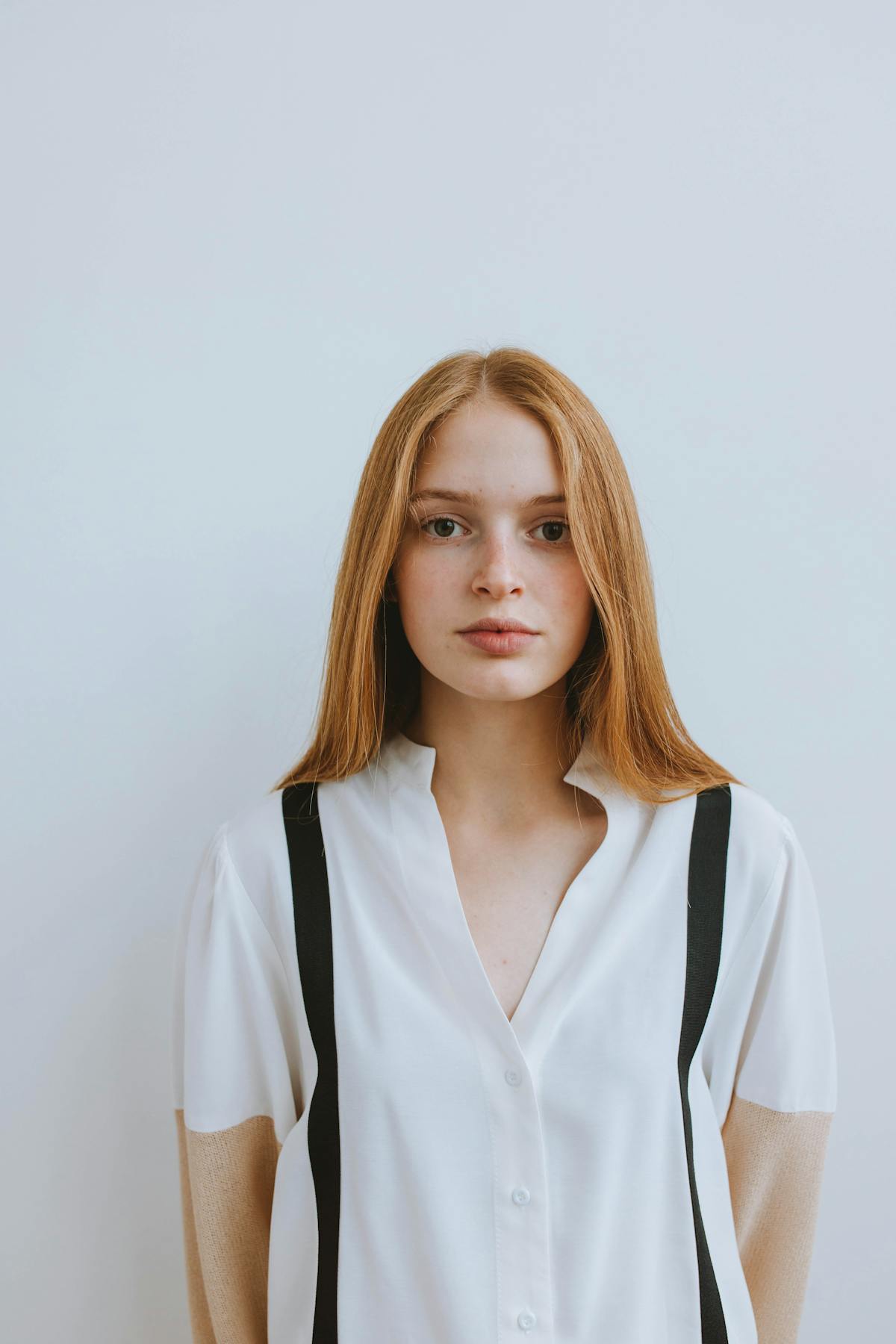
Le guide complet des essentiels de la mode féminine : créer une garde-robe qui vous convient
Une grande garde-robe ne se mesure pas par le nombre de pièces qu’elle contient, mais par la façon dont ces pièces s’agencent bien et avec quelle efficacité elles servent votre vie. Les femmes les plus élégantes comprennent que la mode ne consiste pas à accumuler des vêtements, mais à créer une collection de pièces qui vous permettent de vous sentir en confiance, à l’aise et authentiquement vous-même à chaque fois que vous vous habillez.
Construire une telle garde-robe nécessite une réflexion, une intention et une volonté d’investir dans la qualité plutôt que dans la quantité. Ce guide vous guidera à travers chaque catégorie de vêtements, vous offrant des conseils pratiques sur la sélection de pièces qui vous serviront pendant des années. Que vous partiez de zéro ou affiniez une garde-robe existante, ces principes vous aideront à créer une garde-robe qui fonctionne vraiment.
Le pouvoir d’une garde-robe bien organisée
Il y a une différence profonde entre avoir un placard rempli de vêtements et avoir une armoire. Un placard est l’endroit où vivent les vêtements ; une garde-robe est une collection organisée de pièces qui fonctionnent ensemble pour créer des tenues. La distinction est importante car elle change la façon dont vous pensez vous habiller. Au lieu de regarder une étagère d’articles sans rapport et d’avoir l’impression de n’avoir rien à porter, une garde-robe bien organisée propose des choix clairs et intentionnels qui reflètent votre style personnel.
Les avantages d’une garde-robe soignée s’étendent au-delà de l’esthétique. Lorsque vos vêtements s’agencent ensemble, s’habiller prend moins de temps et provoque moins de stress. Lorsque vous investissez dans des pièces de qualité, vous dépensez moins d’argent au fil du temps car vos vêtements durent plus longtemps. Lorsque vous savez ce que vous possédez et pourquoi vous le possédez, vous magasinez de manière plus intentionnelle et évitez les achats impulsifs qui ne fonctionnent jamais vraiment avec le reste de votre garde-robe.
Construire une garde-robe organisée est un processus, pas un événement. Cela se produit progressivement à mesure que vous apprenez ce qui fonctionne pour votre corps, votre style de vie et vos préférences esthétiques. L’objectif n’est pas la perfection mais le progrès : chaque saison, votre garde-robe doit être un peu plus cohérente, un peu plus intentionnelle et un peu plus vous.
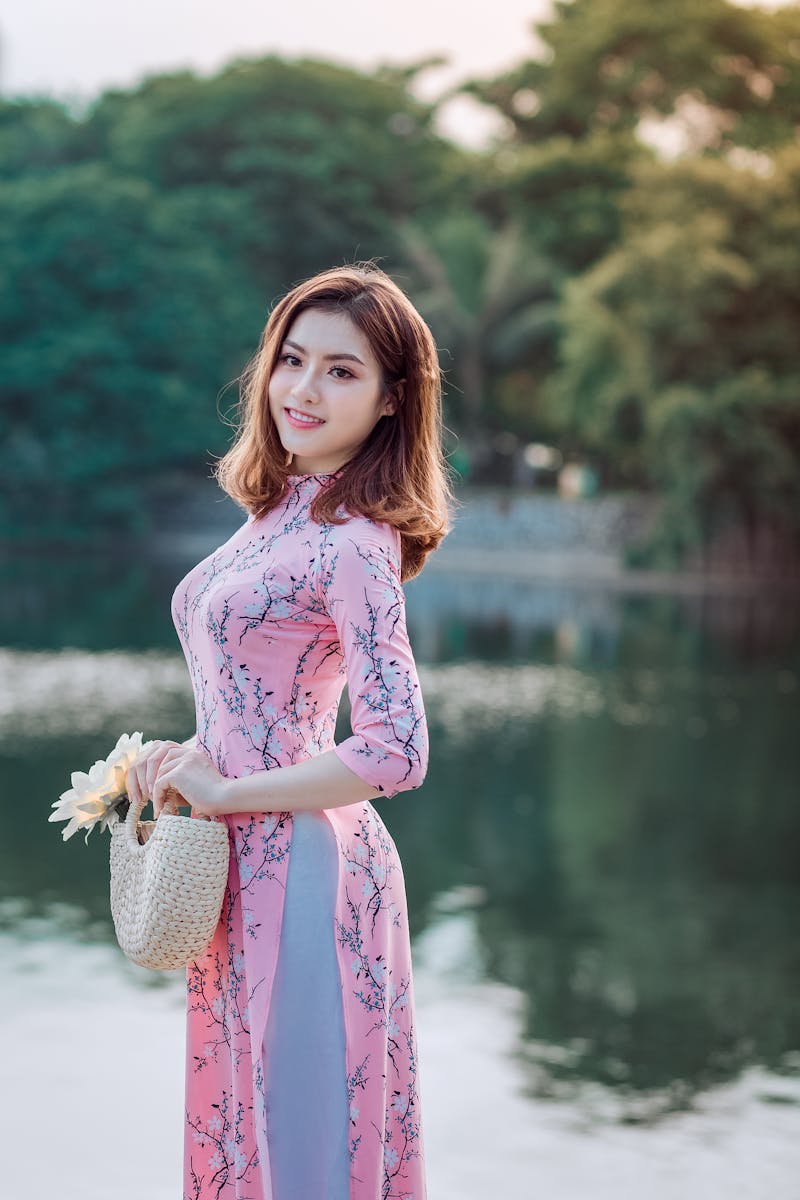
Hauts et chemisiers essentiels
Les hauts constituent la catégorie la plus fréquemment remplacée dans la plupart des garde-robes féminines, mais une base composée d’essentiels de qualité réduit considérablement le besoin de faire des achats constants. Investir dans des hauts bien confectionnés, dans des couleurs et des tissus polyvalents, rapporte des dividendes dans la création de tenues quotidiennes.
La blouse blanche est un indispensable non négociable du dressing. Que vous préfériez un bouton classique, une coque en soie ou un style en organza avec des détails féminins, un haut blanc dans un tissu et une coupe qui flatte votre morphologie est la pièce la plus polyvalente que vous puissiez posséder. Il se marie avec tout – jeans, pantalons, jupes, blazers, cardigans – et fonctionne à chaque saison. L’essentiel est de trouver une blouse blanche qui s’ajuste parfaitement aux épaules et au buste, confectionnée dans un tissu pas trop transparent. Recherchez de la soie, de la popeline de coton ou un mélange de rayonne épais qui conserve sa forme.
Une collection de t-shirts de qualité et de tricots basiques constitue la base décontractée de votre garde-robe. Les t-shirts à col rond blancs, bleu marine, noirs et gris sont les éléments constitutifs d’un style de week-end sans effort. Un t-shirt bien fait doit avoir un tissu épais qui ne s’étire pas après un seul port, un décolleté qui conserve sa forme et une longueur qui s’adapte à votre tour de taille préféré. Au-delà des basiques, pensez à une marinière rayée pour une touche de style française, un t-shirt gris chiné pour la douceur et un col en V noir pour la polyvalence.
Les chemisiers et les coquillages en soie ajoutent une dimension raffinée et sophistiquée à n’importe quelle tenue. Un chemisier en soie de couleur neutre comme l’ivoire, le champagne ou le bleu marine passe sans effort du bureau à la soirée. L’éclat naturel de la soie rehausse tout ce qu’elle touche : associez une veste en soie avec un blazer et un pantalon pour le travail, ou avec un jean et des talons pour le dîner. Si la soie ne fait pas partie de votre budget, envisagez des alternatives de qualité en satin ou en charmeuse qui offrent un look similaire à un prix inférieur.
Un pull en cachemire ou en maille fine est un essentiel par temps froid qui se superpose magnifiquement sur des chemisiers ou sous des blazers. Les styles à col rond sont les plus polyvalents, mais les cols en V offrent un décolleté plus flatteur à superposer avec des chemises à col. Le camel, le bleu marine, le noir et la crème sont les couleurs les plus polyvalentes, tandis qu’une teinte audacieuse comme le rouge ou l’émeraude ajoute une touche de couleur bienvenue aux garde-robes neutres. Investissez dans la meilleure qualité possible : un bon pull en cachemire dure des décennies s’il est correctement entretenu.
Les hauts pour occasions spéciales incluent des styles avec des ornements, des décolletés intéressants ou des détails uniques qui les rendent appropriés pour les événements et les soirées. Une coque à paillettes, un caraco bordé de dentelle ou un chemisier à décolleté architectural peuvent transformer une simple jupe ou un pantalon en un look de soirée. La clé est de choisir des pièces qui fonctionnent avec votre garde-robe existante plutôt que des pièces autonomes qui nécessitent des tenues entièrement nouvelles.
Les bas parfaits
Votre choix de bas définit la silhouette et le ton de votre tenue. Une garde-robe complète comprend des options sur tout le spectre formel dans des coupes qui flattent votre morphologie.
Les jeans foncés sont le bas le plus polyvalent de la garde-robe d’une femme. Un jean droit, slim ou bootcut indigo foncé ou noir avec un minimum de détresse peut être habillé avec un blazer et des talons ou plus décontracté avec des baskets et un t-shirt. La couleur foncée est plus formelle que les délavages plus clairs, ce qui rend ce jean approprié pour les environnements où le denim traditionnel peut sembler trop décontracté. Investissez dans une paire de qualité d’une marque connue pour son ajustement : la différence dans votre apparence et vos sensations est substantielle.
Les pantalons noirs sont indispensables pour une tenue professionnelle et de soirée. Un pantalon noir bien ajusté dans un tissu qui résiste sans effort aux transitions du froissement du bureau au dîner. Les silhouettes courtes, droites et larges sont les silhouettes les plus polyvalentes. La taille doit être adaptée à votre torse : taille haute pour allonger les jambes, taille moyenne pour des proportions équilibrées. Recherchez des détails comme un pli sur le devant ou un subtil effet évasé pour plus de finition.
Une jupe midi ou crayon est un incontournable de la garde-robe professionnelle. Une jupe crayon jusqu’aux genoux ou midi en noir, bleu marine ou gris crée une infinité de tenues de bureau lorsqu’elle est associée à des chemisiers, des pulls et des blazers. L’ajustement doit être fluide au niveau des hanches sans tirer sur le siège. Recherchez des jupes légèrement extensibles pour plus de confort et de facilité de mouvement. Une jupe crayon bien ajustée est l’une des pièces les plus flatteuses de la mode féminine.
Les jupes trapèze et plissées offrent une alternative plus ludique et féminine aux silhouettes crayon. Les jupes trapèze s’évasent doucement à partir de la taille, créant une forme flatteuse pour pratiquement toutes les morphologies. Les jupes plissées – en particulier les options de longueur midi – ont connu un regain de popularité pour leur combinaison de mouvement et de raffinement. Ces styles se marient à merveille avec des hauts ajustés, des chemisiers rentrés et des pulls.
Les pantalons et jeans blancs, crème et plus clairs sont des essentiels par temps chaud qui créent des tenues fraîches et raffinées. Un jean blanc associé à un haut bleu marine ou rayé est une combinaison estivale classique. Un pantalon crème avec un chemisier en soie crée un look de soirée élégant. La clé pour obtenir des bas plus légers est de s’assurer qu’ils ne sont pas transparents : recherchez des options doublées ou des tissus plus épais.
Robes et combinaisons pour toutes les occasions
Les robes et combinaisons offrent la commodité ultime d’une tenue complète en une seule pièce. Une robe ou une combinaison bien choisie simplifie l’habillage tout en affirmant votre style avec assurance.
La petite robe noire est peut-être la pièce la plus célèbre de la mode féminine – et pour cause. Une petite robe bien ajustée dans une coupe qui flatte votre morphologie et un tissu adapté à votre style de vie est la pièce polyvalente ultime. Un style fourreau ou ajusté et évasé dans un tissu infroissable convient à tout, des événements professionnels aux dîners en passant par les cocktails. La petite robe noire doit être parfaitement ajustée au niveau des épaules, du buste et de la taille ; investissez dans une coupe ajustée si nécessaire, car la différence est spectaculaire.
La robe portefeuille est universellement flatteuse et infiniment polyvalente. Son design astucieux crée une taille définie, un décolleté en V flatteur et une jupe gracieuse qui bouge avec vous. La robe portefeuille passe facilement du bureau à la soirée avec un simple changement d’accessoires. En soie ou en jersey, il est suffisamment confortable pour être porté toute la journée mais suffisamment raffiné pour les réunions et les événements. Diane von Furstenberg a popularisé ce style pour une bonne raison : il convient à pratiquement toutes les morphologies.
La robe chemise allie l’élégance d’une chemise boutonnée à la simplicité d’une robe. Sa silhouette structurée flatte une gamme de types de corps et sa polyvalence permet de multiples approches de style. Portez-le ceinturé à la taille pour une silhouette définie, ouvert comme un manteau sur un jean, ou boutonné jusqu’au cou pour un look classique. En chambray, en popeline de coton ou en lin, la robe chemise est un indispensable des beaux jours.
La robe midi, tombant entre le genou et la cheville, est une silhouette polyvalente adaptée à de nombreux contextes. Selon la coupe et le tissu, une robe midi peut être décontractée, professionnelle ou formelle. Recherchez des styles avec une taille définie pour conserver les proportions et choisissez un ourlet qui touche le point le plus flatteur de votre mollet. Les robes midi se marient bien avec tout, des baskets aux talons en passant par les bottes.
Les combinaisons et les barboteuses offrent l’impact d’une robe avec la couverture d’un pantalon. Une combinaison bien coupée est un choix confiant et avant-gardiste qui convient à tout, des week-ends décontractés aux événements formels. La clé d’une bonne combinaison est la proportion : la taille doit être définie, la jambe doit être proportionnée à votre taille et la coupe sur le corps doit être douce, sans tirer ni ouvrir. Recherchez des combinaisons avec une taille portefeuille ou une ceinture amovible pour une flexibilité maximale.
Les robes longues et les jupes longues offrent des silhouettes fluides et spectaculaires qui sont particulièrement flatteuses pour les silhouettes plus grandes, mais peuvent convenir à n’importe quelle taille avec les bonnes proportions. Les styles à taille empire qui cintrent sous la poitrine sont universellement flatteurs, tandis que les styles avec une taille définie créent une silhouette plus structurée. Les robes longues sont des essentiels par temps chaud qui nécessitent un minimum d’accessoires : une paire de sandales et des boucles d’oreilles tendance suffisent souvent.
Agrafes de vêtements d’extérieur
Les vêtements d’extérieur sont la première chose que les gens remarquent à propos de votre tenue, ce qui en fait une catégorie d’une importance disproportionnée. Investir dans des vêtements d’extérieur de qualité rapporte des dividendes dans la façon dont les autres perçoivent votre style.
Le trench-coat classique est peut-être la pièce d’extérieur la plus emblématique pour femme. Ses lignes épurées, sa silhouette flatteuse et son tissu résistant aux intempéries en font un incontournable trois saisons. Le devant croisé, les épaulettes et la ceinture créent une silhouette structurée mais féminine qui rehausse tout ce qui est porté en dessous. En kaki classique, bleu marine ou noir, un trench-coat ne se démode jamais. La ceinture doit cintrer votre taille naturelle pour une silhouette des plus flatteuses.
Un blazer ajusté est le cheval de bataille d’une garde-robe professionnelle et un outil puissant pour rehausser les tenues décontractées. Un blazer bien ajusté bleu marine, noir ou gris transforme un jean et un t-shirt en une tenue décontractée et élégante en quelques secondes. Les modèles à simple boutonnage avec fermeture à deux boutons sont les plus polyvalents. L’épaule doit s’adapter précisément à votre ligne d’épaule naturelle, la taille doit suivre votre corps avec une subtile conicité et la longueur doit arriver au niveau ou juste en dessous de l’os de la hanche.
Une veste en cuir ajoute une touche d’audace et d’attitude à n’importe quelle tenue. Que vous préfériez une veste de moto classique avec fermeture éclair asymétrique, une veste de course minimaliste ou un blazer en cuir sur mesure, cette pièce d’investissement dure des décennies et développe son caractère avec l’âge. Le noir est le choix classique, mais le marron, le bleu marine et le bordeaux offrent des alternatives distinctives. La coupe doit être ajustée mais non restrictive : vous devriez pouvoir superposer un pull en dessous.
Un manteau en laine ou une écharpe en cachemire est l’indispensable par temps froid. Un manteau en laine bien confectionné, de coupe classique et de couleur neutre, rehausse tout ce qui se trouve en dessous et fait de l’habillage hivernal un plaisir plutôt qu’une corvée. Les modèles à double boutonnage camel ou gris sont des choix intemporels. Les manteaux portefeuille à simple boutonnage offrent une silhouette plus contemporaine. Investissez dans la meilleure qualité possible : un bon manteau en laine est un investissement qui dure une décennie.
Une veste en jean est la pièce superposée décontractée par excellence. La veste de camionneur classique au délavage moyen offre une polyvalence maximale, s’associant avec des robes, des jupes, des pantalons et des jeans. Les vestes en jean courtes créent une proportion moderne qui flatte particulièrement les petites silhouettes. Les vestes en jean surdimensionnées offrent une esthétique décontractée empruntée aux garçons qui convient au style décontracté du week-end. La clé des vestes en jean est de trouver le délavage et la coupe adaptés à votre style personnel.
Les vêtements d’extérieur supplémentaires à considérer incluent un gilet matelassé pour la mi-saison, une doudoune ou un manteau en duvet pour les froids extrêmes, un blazer en laine structuré pour les environnements professionnels et un cardigan ou un plumeau décontracté pour une superposition décontractée. L’objectif est de créer une collection qui couvre toute la gamme de températures et de niveaux de formalité requis par votre style de vie.
Les essentiels de la collection de chaussures
Les chaussures ont le pouvoir de transformer complètement une tenue. Construire une collection de chaussures polyvalente vous permet de changer le ton de votre look avec un simple échange de chaussures.
Les baskets blanches sont les chaussures décontractées les plus importantes de la mode féminine moderne. Une sneaker en cuir blanc épurée et minimaliste s’adapte à tout, des jeans et robes aux pantalons et jupes. La clé est de choisir un style véritablement confortable à porter toute la journée et de le garder propre. Les baskets blanches ajoutent une énergie fraîche et contemporaine à n’importe quelle tenue et sont devenues un incontournable de la garde-robe des femmes de tous âges et de tous styles.
Les escarpins noirs ou les talons pointus sont les chaussures phares de la garde-robe professionnelle. Un escarpin classique en cuir noir avec une hauteur de talon modérée (2 à 3 pouces) convient aux entretiens, réunions, présentations et événements formels. Les styles à bout pointu allongent les jambes et créent une silhouette élégante. Si vous ne pouvez pas porter de talons, une chaussure plate à bout pointu en cuir noir offre un look similaire tout en confort.
Les escarpins couleur chair ou beige prolongent visuellement la ligne des jambes et sont inestimables pour les tenues de soirée et formelles. La correspondance la plus proche avec votre teint crée l’effet le plus allongé. Les talons nus allongent vos jambes et créent une ligne transparente de la jambe au pied. Ils sont particulièrement efficaces avec des ourlets qui tombent au niveau ou au-dessus du genou.
Les bottines sont les chaussures les plus polyvalentes pour temps froid. Des bottines en cuir noir ou marron avec un talon bloc ou un talon bottier se marient avec des jeans, des pantalons, des robes et des jupes. La clé des bottines est la proportion : la botte doit toucher le point le plus étroit de votre cheville et l’ourlet de votre pantalon ou de votre jupe doit dégager proprement le dessus de la botte. Les bottines Chelsea avec panneaux latéraux élastiques sont le style le plus classique et le plus polyvalent.
Les ballerines et les mocassins offrent des options confortables et raffinées pour les jours où les talons ne sont pas pratiques. Les ballerines noires, nude ou métallisées sont un essentiel par temps chaud qui se marie avec tout, des robes aux pantalons courts. Les mocassins en cuir ou en daim offrent une alternative plus structurée et preppy qui se marie particulièrement bien avec des pantalons et des jupes midi. Les deux styles sont essentiels pour la femme qui valorise le confort sans sacrifier le style.
Les sandales pour temps chaud comprennent des sandales plates pour les journées décontractées, des sandales compensées pour augmenter la hauteur avec stabilité et des sandales à talons pour les soirées. Les tons neutres maximisent la polyvalence, tandis que les nuances métalliques ajoutent une touche de glamour. La clé des sandales est leur ajustement : les sangles doivent être bien fixées sans s’enfoncer, et la semelle doit offrir un soutien adéquat pour les activités que vous avez planifiées.
Les bottes hauteur genou et cuissardes sont des pièces tendance pour temps froid qui ajoutent du drame et de la sophistication aux tenues d’hiver. Des bottes hautes portées sur un jean skinny ou avec des jupes et des robes créent une silhouette élégante et allongée. Les modèles plats et à talons bas sont plus faciles à porter au quotidien, tandis que les versions à talons sont idéales pour le soir.
Sacs et accessoires
Les accessoires sont le point d’exclamation d’une tenue : ils démontrent l’attention portée aux détails et un style personnel. Quelques accessoires de qualité rehaussent même la tenue la plus simple.
Un sac fourre-tout structuré est le cheval de bataille d’une garde-robe professionnelle. Assez grand pour transporter vos essentiels quotidiens (ordinateur portable, documents, trousse de maquillage) mais suffisamment raffiné pour les réunions de clients et les environnements professionnels, un fourre-tout en cuir de qualité noir, bleu marine ou beige est un investissement rentable. Recherchez du cuir véritable avec des poignées robustes et une fermeture sécurisée.
Un sac à bandoulière ou un petit sac à bandoulière offre une commodité mains libres pour une tenue décontractée et de soirée. Un sac à bandoulière de taille moyenne dans une couleur neutre convient aux week-ends, aux voyages et aux journées décontractées. Un petit sac de soirée ou une pochette dans un ton métallique ou bijou convient aux dîners, aux événements et aux occasions spéciales.
Les ceintures sont des accessoires fonctionnels qui définissent également votre silhouette. Une fine ceinture en cuir noire ou marron ajoute du chic aux pantalons et jeans taille haute. Une ceinture plus large cintrée à la taille transforme une robe ou un manteau ample en une silhouette définie. Une ceinture en chaîne ou une ceinture décorative ajoute une touche avant-gardiste aux tenues simples. Collectionnez des ceintures de différentes largeurs et couleurs pour élargir vos options de style.
Les foulards ajoutent de la couleur, des motifs et de la texture aux tenues en toute saison. Une grande écharpe en cachemire ou en laine est un indispensable par temps froid qui ajoute à la fois chaleur et style. Un foulard carré en soie peut être noué autour du cou, porté comme bandeau, attaché à une anse de sac ou utilisé comme ceinture – sa polyvalence n’est limitée que par votre créativité. Les écharpes légères en coton ou en lin sont des accessoires pour temps chaud qui ajoutent une touche de style français aux tenues simples.
Les bijoux tendance transforment les tenues basiques en looks intentionnels. Une paire de boucles d’oreilles créoles en or ou en argent, un collier à grosse chaîne, une pile de bracelets ou une bague de cocktail ajoutent chacun de la personnalité et du raffinement. La clé des bijoux tendance est le montage : une ou deux pièces maîtresses par tenue plutôt que de tout superposer en même temps. Construisez votre collection de bijoux progressivement, en choisissant des pièces qui reflètent votre style personnel plutôt que de suivre toutes les tendances.
Créer une palette de couleurs
Une palette de couleurs cohérente est le secret d’une garde-robe qui fonctionne sans effort. Lorsque vos vêtements partagent une famille de couleurs commune, chaque pièce se mélange et s’agence avec toutes les autres pièces, augmentant considérablement vos options de tenues sans augmenter la taille de votre garde-robe.
Commencez par identifier vos couleurs neutres principales : les couleurs qui constitueront la base de votre garde-robe. Le bleu marine, le noir, le gris, le camel et le blanc sont les options neutres les plus polyvalentes. Choisissez deux à trois neutres comme base. Pour la plupart des femmes, le bleu marine et le blanc ou le noir et blanc sont d’excellents points de départ. Ajoutez un troisième neutre comme le chameau ou le gris pour plus de variété.
Ensuite, identifiez deux à trois couleurs d’accent qui complètent votre teint et votre style personnel. Ce sont les couleurs qui vous font vous sentir bien lorsque vous les portez. Les tons de bijoux comme l’émeraude, le saphir et le rubis conviennent bien à de nombreuses carnations. Les tons terreux comme l’olive, la rouille et la terre cuite offrent une alternative chaleureuse et organique. Les pastels comme le blush, la lavande et le bleu poudré créent une esthétique douce et féminine. Vos couleurs d’accent doivent fonctionner avec vos tons neutres et entre elles.
Enfin, ajoutez une ou deux couleurs génériques : des nuances moins courantes dans votre garde-robe, mais qui ajoutent des touches d’intérêt lorsque vous le souhaitez. Une robe rouge, un haut jaune, un sac orange : ces pièces occasionnelles évitent à votre garde-robe de paraître trop uniforme et permettent d’exprimer sa créativité.
Lorsque vous magasinez, demandez-vous si une nouvelle pièce fonctionnera avec au moins trois articles existants dans votre garde-robe. Si ce n’est pas le cas, il s’agit probablement d’une pièce autonome qui sera portée rarement. Cette règle simple évite les achats impulsifs et garantit que tout ce que vous achetez contribue à une garde-robe cohérente et fonctionnelle.
S’habiller pour le travail
L’habillement professionnel nécessite un équilibre entre style personnel et adéquation au lieu de travail. Comprendre le code vestimentaire de votre bureau est la première étape, mais une fois que vous en avez compris les paramètres, il reste une énorme marge d’expression personnelle.
Pour les environnements professionnels formels, l’adaptation constitue la base. Un tailleur-pantalon ou une jupe bien ajusté en bleu marine, anthracite ou noir crée une silhouette puissante et professionnelle. Investissez dans au moins un costume de haute qualité qui vous va parfaitement – l’investissement en vaut la peine pour la confiance qu’il procure. Dans le cadre d’un costume, exprimez votre personnalité à travers le choix du chemisier, la sélection des accessoires et les accents de couleurs.
Pour les environnements professionnels décontractés, les possibilités s’étendent considérablement. Les blazers portés avec des pantalons ou des jupes non assortis, les chemisiers en soie avec des pantalons ajustés, les robes fourreau avec des cardigans et les hauts en tricot avec des jupes trapèze sont tous appropriés. La clé du business casual est de conserver son élégance : les vêtements doivent être bien ajustés, les tissus doivent être de qualité et les accessoires doivent être intentionnels.
Pour les lieux de travail créatifs et décontractés, l’expression personnelle occupe une place centrale. Les limites sont plus larges, permettant des silhouettes plus expérimentales, des couleurs plus audacieuses et des pièces tendance. Même dans les lieux de travail occasionnels, il est important de maintenir une base de finition soignée : des vêtements froissés, des chaussures usées et une apparence négligée nuisent à la crédibilité professionnelle, quel que soit le code vestimentaire.
Quel que soit le code vestimentaire de votre lieu de travail, certains principes s’appliquent. La coupe est primordiale : des vêtements bien ajustés communiquent l’attention aux détails et le respect de soi. Les tissus de qualité rehaussent même les silhouettes simples. Le toilettage et la présentation comptent autant que les vêtements eux-mêmes. Et l’élément le plus important d’une tenue vestimentaire professionnelle est la confiance : portez vos vêtements avec l’assurance d’être à votre place, où que vous soyez.
Style week-end et décontracté
Le style week-end est l’occasion d’exprimer votre personnalité de manière détendue et confortable. L’objectif est d’avoir l’air bien organisé sans donner l’impression que vous avez trop essayé.
Les jeans de qualité sont la base du style du week-end. Quelques paires bien ajustées dans différents délavages constituent la base d’une infinité de tenues décontractées. Associez-les à des t-shirts simples, des pulls douillets et des chaussures confortables pour un style de week-end sans effort. La clé est la proportion : si vos jeans sont décontractés, associez-les à un haut plus ajusté ; si votre jean est slim, un haut plus ample crée un équilibre.
Les robes décontractées sont des incontournables du week-end qui nécessitent un minimum d’effort de style. Une simple robe midi avec des baskets, une robe chemise avec des sandales ou une robe pull avec des bottines créent un look complet en quelques secondes. La beauté d’une tenue décontractée réside dans sa simplicité : laissez les pièces parler d’elles-mêmes sans trop accessoiriser.
Les vêtements de sport sont devenus une catégorie légitime de mode décontractée. Des leggings bien ajustés, des baskets de qualité et des tissus performants qui passent de l’entraînement aux courses sont pratiques et élégants. La clé est de conserver des vêtements de sport adaptés au contexte : des leggings avec un pull long ou une tunique pour les sorties décontractées, des vêtements de sport complets pour la salle de sport ou le studio.
Style de soirée et d’occasion spéciale
S’habiller le soir, c’est faire bonne impression. Que vous assistiez à un cocktail, à un dîner, à un mariage ou à un gala, la bonne tenue vous aide à vous sentir en confiance et adaptée à l’occasion.
Les tenues de cocktail nécessitent généralement une robe qui tombe au niveau du genou ou au-dessus et dans un tissu plus formel : soie, satin, velours ou matériaux ornés. Une petite robe noire est toujours appropriée, mais les tons bijoux et métallisés conviennent également pour le soir. À porter avec des talons, des bijoux tendance et une pochette pour un look cocktail complet.
Les événements formels et avec cravate noire nécessitent des robes longues au sol ou des robes de cocktail très habillées. Le tissu doit être luxueux – soie, mousseline, velours ou matériaux fortement ornés. La silhouette doit être soignée et intentionnelle. Les événements formels sont l’occasion de porter vos pièces les plus spectaculaires : n’ayez pas peur de faire une déclaration.
Pour les dîners et les événements sociaux, le code vestimentaire est plus flexible. Une robe, un haut en soie avec un pantalon, une combinaison ou une jupe avec un beau chemisier sont tous appropriés. La clé est de s’habiller en fonction du lieu et de l’occasion : un bistro de quartier nécessite une tenue différente de celle d’un restaurant étoilé Michelin.
Transitions saisonnières
Les vêtements de transition, c’est-à-dire naviguer dans la période difficile entre les saisons, sont l’un des plus grands défis de la mode féminine. La clé réside dans les choix de superpositions et de tissus stratégiques.
Les transitions printanières nécessitent des couches légères qui peuvent être retirées à mesure que les températures augmentent. Un trench-coat sur une robe, un cardigan sur un haut en soie, un blazer sur un t-shirt : ces combinaisons vous permettent de vous ajuster tout au long de la journée. Changez progressivement votre palette de couleurs, en introduisant des tons neutres plus clairs et des accents pastel au fil de la saison.
Les transitions automnales consistent à ajouter de la chaleur sans encombrement. Superposez des cols roulés sous des robes, des blazers sur des pulls et des collants sous des jupes. Introduisez progressivement des couleurs plus riches et des tissus plus épais, en construisant votre garde-robe d’hiver. L’automne est la saison des superpositions créatives : expérimentez des combinaisons qui ajoutent un intérêt visuel tout en vous gardant à l’aise.
La clé d’un habillage saisonnier réussi est la planification. À la fin de chaque saison, évaluez ce qui a fonctionné et ce qui n’a pas fonctionné, ce qui doit être remplacé et ce qui peut continuer. Rangez les vêtements hors saison pour libérer de l’espace dans votre placard et réduire la fatigue décisionnelle. Considérez chaque saison comme une opportunité de rafraîchir et d’affiner votre style personnel.
Choix de mode durables
La mode durable consiste à faire des choix conscients qui réduisent l’impact environnemental de votre garde-robe. Le vêtement le plus durable est celui que vous possédez déjà : le porter plus longtemps et en prendre soin correctement est le choix le plus important que vous puissiez faire.
Lorsque vous achetez du neuf, choisissez la qualité plutôt que la quantité. Un vêtement bien fait qui dure des années est plus durable que cinq vêtements bon marché qui s’effondrent après quelques utilisations. Recherchez des fibres naturelles comme le coton biologique, le lin, le chanvre et la laine ; matériaux recyclés; et des marques qui privilégient la production éthique et la responsabilité environnementale.
Prenez soin de vos vêtements correctement pour prolonger leur durée de vie. Lavez moins fréquemment, utilisez de l’eau froide, séchez à l’air lorsque cela est possible et réparez les dommages rapidement. Apprenez les techniques de base en matière de raccommodage ou établissez une relation avec un tailleur local. Le petit effort requis pour entretenir vos vêtements prolonge considérablement leur durée de vie utile.
Envisagez d’acheter des articles d’occasion et vintage pour trouver des pièces uniques qui réduisent la demande de nouvelles productions. Les magasins de dépôt-vente, les friperies et les plateformes de revente en ligne offrent un accès à des pièces de qualité à des prix accessibles tout en évitant que les vêtements ne finissent dans les décharges.
Conclusion
Construire une garde-robe qui vous convient est un voyage, pas une destination. Votre style évoluera à mesure que votre vie change, à mesure que vous découvrirez de nouveaux créateurs et silhouettes et à mesure que votre compréhension de ce qui fonctionne pour vous s’approfondit. L’objectif n’est pas d’avoir une garde-robe parfaite mais fonctionnelle : des vêtements qui servent votre vie, expriment votre personnalité et vous donnent confiance à chaque fois que vous vous habillez.
Investissez dans la qualité, donnez la priorité à l’ajustement, développez une palette de couleurs cohérente et choisissez des pièces qui s’agencent bien. Achetez avec intention, prenez soin de ce que vous possédez et portez tout en toute confiance. En fin de compte, le style est une question d’expression de soi : la chose la plus à la mode que vous puissiez porter est la confiance de quelqu’un qui sait exactement qui elle est.