
Le guide ultime du style pour hommes : créer une garde-robe polyvalente pour chaque occasion
Le style masculin a énormément évolué ces dernières années. Les anciennes règles – costumes sombres pour le travail, jeans pour le week-end, et pas grand-chose entre les deux – ont cédé la place à une approche vestimentaire plus nuancée et plus expressive. L’homme bien habillé d’aujourd’hui comprend que le style ne consiste pas à suivre des règles rigides mais à comprendre les principes de coupe, de proportion, de couleur et d’occasion qui lui permettent de faire des choix en toute confiance à chaque fois qu’il s’habille.
Que vous construisiez votre garde-robe à partir de zéro ou que vous cherchiez à rehausser votre style existant, ce guide complet vous guidera à travers tout ce que vous devez savoir. De la compréhension des principes fondamentaux de l’ajustement à la maîtrise de l’art de l’accessoirisation, considérez ceci comme votre manuel complet pour bien vous habiller dans tous les aspects de votre vie.
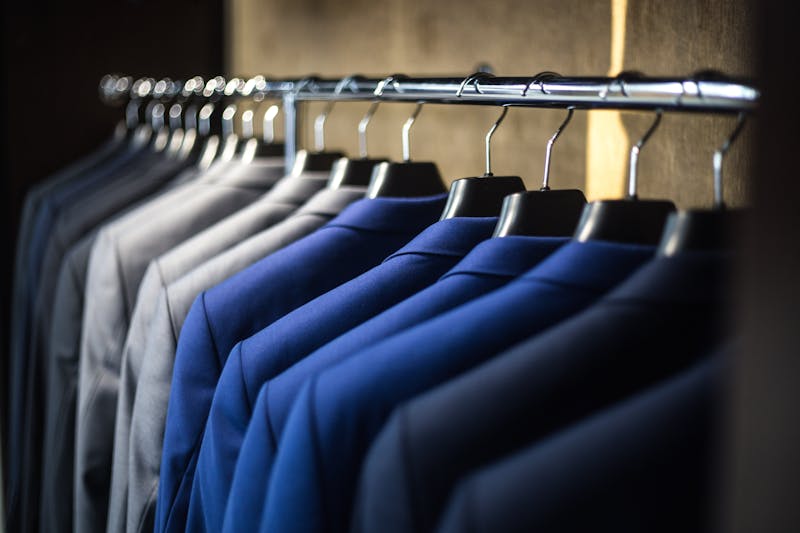
La Fondation : L’ajustement est tout
Avant de discuter de vêtements, de couleurs ou de marques spécifiques, nous devons aborder le principe le plus important du style masculin : la coupe. Une chemise à 50 $ qui vous va parfaitement est plus belle qu’une chemise à 500 $ qui vous va mal. La coupe est la base sur laquelle repose tout bon style, et sans elle, rien d’autre n’a d’importance.
Une chemise bien ajustée doit suivre la ligne de votre torse sans tirer, ouvrir ou s’affaisser. La couture de l’épaule doit reposer exactement au bord de l’os de votre épaule, sans remonter vers votre cou ni pendre le long de votre bras. Le collier doit se fermer confortablement autour de votre cou sans laisser d’espace de plus d’un doigt. Les manches doivent se terminer au niveau de l’os de votre poignet, montrant environ un quart à un demi-pouce de poignet de chemise lorsque vous portez une veste. Le corps de la chemise doit être suffisamment ajusté pour que vous puissiez le rentrer sans que l’excès de tissu ne se tasse au niveau de votre taille, mais suffisamment ample pour que vous puissiez bouger confortablement.
Pour les pantalons et les jeans, la ceinture doit reposer confortablement au niveau de votre taille naturelle (et non en dessous) sans nécessiter une ceinture pour les maintenir. Le siège doit suivre votre corps sans s’affaisser ni tirer sur le dossier. La cuisse doit avoir suffisamment d’espace pour que vous puissiez vous asseoir, vous pencher et bouger librement, et l’ouverture de la jambe doit être proportionnelle à votre corpulence et à la chaussure que vous portez. L’ourlet doit toucher le haut de votre chaussure avec une légère cassure (un petit pli de tissu reposant sur la chaussure) pour un look classique. Les longueurs ininterrompues ou raccourcies conviennent aux styles plus contemporains et décontractés.
Les vestes et les blazers nécessitent le plus d’attention pour être ajustés. L’épaule doit épouser votre épaule sans dépasser l’os naturel. La poitrine doit se fermer sans tirer sur les boutons. La taille doit suivre la ligne de votre corps avec une subtile conicité. Les manches doivent se terminer au niveau de l’os de votre poignet, montrant environ un quart à un demi-pouce de poignet de chemise. La longueur totale doit couvrir votre siège et se terminer au milieu de votre pouce lorsque vos bras sont à vos côtés.
Si vous n’êtes pas sûr de l’ajustement, rendez-vous chez un tailleur. La plupart des vêtements disponibles dans le commerce bénéficient d’ajustements mineurs, et le coût de la confection est modeste par rapport à l’amélioration de votre apparence et de votre sensation. Une garde-robe bien ajustée change non seulement la façon dont les autres vous voient, mais aussi la façon dont vous vous comportez.
Hauts essentiels : t-shirts, chemises boutonnées et tricots
Une collection de hauts bien organisée constitue l’épine dorsale d’une garde-robe fonctionnelle. Les pièces spécifiques dont vous avez besoin dépendent de votre style de vie, mais certains essentiels sont universels.
Le t-shirt blanc est peut-être le vêtement le plus polyvalent de la mode masculine. Un t-shirt blanc de haute qualité dans un tissu de poids important (au moins 180 GSM) conserve sa forme, résiste à la transparence et développe une belle texture au fil du temps. Recherchez un col rond ou une encolure légèrement dégagée, des manches qui atteignent le milieu des biceps et une longueur qui rentre ou tombe juste en dessous de la ceinture. Le t-shirt blanc se porte sous un blazer pour un look chic et décontracté, sous une veste en cuir pour plus de style, ou seul avec un jean ou un pantalon chino pour un uniforme de week-end sans effort. Investissez dans au moins deux ou trois options de haute qualité provenant de marques connues pour leur confection de t-shirts.
La chemise boutonnée en tissu Oxford (OCBD) est la chemise boutonnée par défaut pour les environnements décontractés et chics. Son col boutonné caractéristique, son pli creux et son tissu plus épais lui confèrent une sensation décontractée et preppy qui s’agence à merveille avec des chinos, des jeans et même des pantalons ajustés dans des contextes plus décontractés. L’OCBD est également à l’aise avec un short en été ou sous un pull en hiver. Le blanc, le bleu clair et les rayures bleues sont les couleurs les plus polyvalentes, mais un OCBD bien ajusté dans presque toutes les couleurs ou motifs peut trouver sa place dans votre garde-robe.
Une chemise habillée à col italien ou à col pointu est essentielle pour les occasions formelles et professionnelles. Contrairement à l’OCBD, ces chemises sont conçues pour être portées avec une cravate ou avec le bouton du haut fermé et sans cravate (un look devenu plus acceptable dans les milieux de travail modernes). Recherchez des chemises blanches, bleu clair et aux motifs subtils comme des micro-carreaux ou des rayures craie. Le tissu doit être lisse et net : la popeline, le drap fin ou le tissu Oxford sont d’excellents choix. Assurez-vous que le col est bien ajusté, car un col mal ajusté est immédiatement visible sous une veste.
Les tricots et les pulls ajoutent de la texture, de la chaleur et de la sophistication à n’importe quelle tenue. Un pull à col rond en laine mérinos ou en cachemire est un essentiel toute l’année qui se superpose magnifiquement sur des chemises boutonnées ou des t-shirts. Un pull à col en V offre un look légèrement plus raffiné qui convient particulièrement bien au bureau. Un cardigan à col châle en tricot plus épais est la pièce superposée ultime pour le week-end, aussi bien à la maison avec un jean qu’un cordon. En termes de couleurs, le bleu marine, le anthracite et le camel sont les plus polyvalents, tandis que les couleurs plus audacieuses comme le bordeaux et le vert forêt ajoutent une variété bienvenue à une garde-robe neutre.
Les polos comblent le fossé entre les t-shirts et les chemises boutonnées. Un polo bien ajusté en coton piqué de qualité ou en tissu performant convient aux terrains de golf, aux vendredis décontractés, aux sorties du week-end et aux événements sociaux d’été. Le col doit reposer à plat, les manches doivent épouser le bras sans serrer et la longueur doit être appropriée pour rentrer ou sortir du pantalon en fonction de la formalité du réglage. Le bleu marine, le blanc et le gris sont les couleurs de polo les plus polyvalentes.
Les bons bas : jeans, chinos et pantalons
Votre choix de bas affecte considérablement le ton général de votre tenue. Une garde-robe complète comprend plusieurs options dans tout le spectre des formalités.
Les jeans au délavage foncé sont les jeans les plus polyvalents qu’un homme puisse posséder. Un jean droit ou slim droit indigo foncé ou noir avec un minimum de détresse peut être habillé avec un blazer et des mocassins ou habillé avec un t-shirt et des baskets. La couleur foncée est plus formelle que les délavages plus clairs, ce qui rend ce jean approprié pour les environnements où le denim traditionnel peut sembler trop décontracté. Investissez dans une paire de qualité d’une marque de denim réputée : la différence en termes de coupe et de durabilité est substantielle.
Les jeans aux délavages moyens et clairs ont une énergie plus décontractée, parfaite pour les week-ends et les jours de repos. Ces délavages présentent souvent une décoloration ou des moustaches subtiles qui leur donnent une sensation détendue et vécue. Associez-les à des baskets blanches, un t-shirt simple et une veste en jean pour un look classique entièrement américain. La clé pour obtenir des délavages plus clairs est de s’assurer qu’ils s’ajustent bien : les jeans trop amples ou trop serrés au délavage clair peuvent paraître démodés.
Les chinos sont l’option sans denim la plus polyvalente pour une tenue décontractée et élégante. Un pantalon chino bien ajusté en kaki, bleu marine ou olive peut être habillé avec un blazer et des mocassins ou avec un polo et des baskets en toile. Les chinos ont un aspect plus propre et plus raffiné que les jeans, mais sont beaucoup plus décontractés que les pantalons habillés. Ils constituent le choix idéal pour le vaste compromis entre décontracté et formel qui occupe la majeure partie de la vie moderne.
Les pantalons en laine sont indispensables pour les occasions professionnelles et formelles. Un pantalon en laine peignée gris moyen est peut-être l’option la plus polyvalente, se mariant aussi bien avec un blazer bleu marine, une veste de costume anthracite ou un manteau de sport. Les pantalons anthracite et bleu marine sont également d’excellents choix. Assurez-vous que la coupe est impeccable : les pantalons trop amples semblent négligés, tandis que les pantalons trop serrés semblent inconfortables et peu professionnels. La cassure de la chaussure doit être nette et intentionnelle.
Les pantalons en lin et en coton sont des alternatives à la laine par temps chaud. Le lin a un aspect naturellement décontracté et texturé, parfait pour l’été. Les pantalons en coton dans des tissus comme le sergé de cavalerie ou la moleskine offrent une alternative plus décontractée à la laine pour les mois les plus frais. Les deux sont des ajouts précieux à une garde-robe toute l’année.
Vêtements d’extérieur : vestes, manteaux et blazers
Les vêtements d’extérieur sont souvent la première chose que les gens remarquent à propos de votre tenue, ce qui les rend disproportionnellement importants pour votre impression générale. Investir dans des vêtements d’extérieur de qualité rapporte des dividendes sur la façon dont vous êtes perçu.
Un blazer bleu marine est la veste la plus polyvalente qu’un homme puisse posséder. Il comble le fossé entre formel et décontracté avec une facilité remarquable, s’associant aussi bien avec un pantalon en laine gris, un chino kaki ou un jean foncé. Un blazer à épaules naturelles, à trois rouleaux et deux boutons dans un hopsack ou un tissu en laine tropicale fonctionne toute l’année et ne se démode jamais. Les boutons dorés ou en laiton ajoutent une touche classique et preppy, tandis que les boutons sombres créent un look plus contemporain et sobre.
Une veste en cuir est la pièce tendance ultime pour une tenue décontractée. Que vous préfériez un café racer classique, un double rider ou un design A-1 minimaliste, une veste en cuir bien faite développe son caractère et sa patine au fil des années d’usure. Le noir et le marron sont les couleurs classiques, le marron étant légèrement plus polyvalent pour la plupart des garde-robes. La coupe doit être ajustée mais non restrictive : vous devriez pouvoir superposer un pull en dessous sans gêne.
Une veste militaire ou une veste utilitaire est une superposition décontractée indispensable pour le printemps, l’automne et les douces journées d’hiver. La veste militaire classique M-65, avec son design à quatre poches et son cordon de serrage à la taille, est une option intemporelle qui se marie bien avec un jean, un pantalon chino et des bottes. Les interprétations modernes en coton ciré ou en toile offrent une meilleure résistance aux intempéries et un aspect plus raffiné.
Un pardessus ou un manteau en laine est l’investissement ultime par temps froid. Un pardessus bien fait en anthracite, bleu marine ou camel transforme n’importe quelle tenue en dessous en un look soigné et soigné. La longueur doit se situer entre la mi-cuisse et juste au-dessus du genou. Les modèles à simple boutonnage sont plus polyvalents que les modèles à double boutonnage, même si un manteau à double boutonnage constitue une déclaration audacieuse et confiante. Investissez dans la meilleure qualité possible : un bon pardessus dure des décennies.
Une veste en jean est un incontournable décontracté qui ajoute de la texture et de la personnalité à n’importe quelle tenue. La veste camionneur classique Levi’s Type III est la référence, mais les interprétations modernes dans différents délavages et coupes offrent de la variété. Une veste en jean à délavage moyen est la plus polyvalente et se marie bien avec des bas foncés et clairs. Évitez les tenues en double denim où les délavages sont trop similaires : le contraste est essentiel pour que le smoking canadien fonctionne.
Les vestes matelassées, les vestes de grange et les doudounes offrent des options de superposition supplémentaires pour des conditions météorologiques et des préférences de style spécifiques. La clé des vêtements d’extérieur est de créer une collection qui couvre la gamme de températures et les niveaux de formalité qu’exige votre style de vie.
Principes fondamentaux des chaussures
Les chaussures sont la base de toute tenue et elles reçoivent plus d’attention que la plupart des hommes ne le pensent. Investir dans des chaussures de qualité et comprendre quand porter chaque style est essentiel pour un homme bien habillé.
Les derbies et les bluchers sont les chaussures à lacets les plus décontractées qui ont toujours l’air soignées. Un système de laçage ouvert les distingue des richelieus plus formels, leur conférant un caractère décontracté mais raffiné. Les derbies marron en cuir lisse ou grainé sont extrêmement polyvalents et s’associent avec tout, des jeans aux chinos en passant par les pantalons décontractés en laine. Une paire de derbies marron foncé est l’un des meilleurs investissements que vous puissiez faire pour votre garde-robe.
Les richelieus sont les chaussures à lacets les plus formelles et le choix essentiel pour les costumes et les tenues formelles. Le système de laçage fermé crée une silhouette épurée et élégante qui convient aux affaires, aux mariages et autres occasions formelles. Les richelieus noirs sont les plus formels ; les richelieus marron offrent un peu plus de polyvalence pour les environnements moins formels. Un richelieu à bout droit noir est un élément non négociable d’une garde-robe professionnelle.
Les mocassins sont la chaussure ultime pour temps chaud, aussi à l’aise avec un pantalon ajusté, un chino ou un jean. Les mocassins Penny en cuir marron sont les plus polyvalents, comblant facilement le fossé entre décontracté et formel. Les mocassins Bit (avec la quincaillerie métallique emblématique) sont légèrement plus formels et affirment votre style avec assurance. Les mocassins en daim dans les tons marron, bleu marine ou olive ajoutent de la texture et de la personnalité aux tenues d’été. Les mocassins portés sans chaussettes (ou avec des chaussettes invisibles) sont le look idéal par temps chaud.
Les bottes Chukka et les desert boots sont l’option de bottes la plus polyvalente à porter au quotidien. La silhouette à hauteur de cheville, généralement avec deux ou trois œillets, s’agence avec tout, des jeans aux chinos en passant par les cordons. Les desert boots en cuir de cire d’abeille sont le choix classique, développant une belle patine au fil du temps. Les bottes chukka en daim dans les tons de marron ou de gris offrent une alternative plus raffinée adaptée aux environnements chics et décontractés.
Les baskets blanches sont devenues un incontournable de la garde-robe moderne. Une sneaker en cuir blanc épuré et minimaliste – comme la Common Projects Achilles Low ou ses alternatives plus abordables – fonctionne avec tout, des jeans et chinos aux pantalons ajustés et même à certains costumes décontractés. La clé est de les garder propres et de comprendre qu’il s’agit de chaussures décontractées avec des limites : elles conviennent aux environnements chics et décontractés, mais pas aux occasions formelles.
Les bottes pour un usage plus robuste comprennent les bottes Chelsea, les bottes de travail et les bottes de service. Les bottines Chelsea – bottines à enfiler avec panneaux latéraux élastiques – sont peut-être les plus polyvalentes, s’adaptant à la fois aux tenues décontractées et élégantes. Une paire de bottines Chelsea marron ou noires est un investissement rentable pour toute garde-robe. Les bottes de travail et les bottes de service, comme les classiques Red Wing Iron Ranger ou les Thursday Boots, ajoutent un élément robuste et masculin aux tenues décontractées.
Des accessoires qui rehaussent
Les accessoires font la différence entre une bonne tenue et une superbe tenue. Ils démontrent une attention aux détails et une compréhension que le style réside dans les nuances.
Une ceinture en cuir de qualité n’est pas négociable. La ceinture doit correspondre à vos chaussures en termes de couleur et de formalité : ceinture marron avec des chaussures marron, ceinture noire avec des chaussures noires. La boucle doit être proportionnelle à votre silhouette et adaptée à l’occasion. Une boucle simple et classique en argent ou en laiton est toujours correcte. Le cuir doit être pleine fleur ou de première qualité pour plus de durabilité et d’apparence.
Une montre est l’accessoire le plus personnel qu’un homme porte. Que vous préfériez une montre mécanique automatique, un chronographe à quartz ou une montre habillée minimaliste, la bonne montre ajoute du caractère et de la sophistication à n’importe quelle tenue. Une collection de montres polyvalente peut inclure une montre de sport en acier inoxydable sur un bracelet (comme une montre de plongée), une montre habillée avec un bracelet en cuir pour les occasions formelles et une montre décontractée sur un bracelet NATO ou en caoutchouc pour le week-end. La montre doit être proportionnelle à votre poignet : une montre trop grande semble ostentatoire, une montre trop petite semble démodée.
Un portefeuille de qualité, un sac ou une mallette bien confectionné et une paire de lunettes de soleil adaptées à la forme de votre visage sont des accessoires indispensables pour compléter votre look. Investissez dans la qualité des articles que vous utilisez quotidiennement : les accessoires bon marché nuisent à une tenue par ailleurs bien considérée.
Les chaussettes sont une opportunité d’expression personnelle. Alors que les chaussettes sombres et neutres assorties à votre pantalon constituent un choix sûr pour les environnements formels et professionnels, les chaussettes à motifs ou colorées ajoutent de la personnalité aux tenues décontractées et chics. Assurez-vous que vos chaussettes sont suffisamment longues pour qu’aucune peau ne soit visible lorsque vous vous asseyez : rien ne nuit à un look soigné comme un tibia exposé.
Les écharpes, les gants et les chapeaux sont des accessoires saisonniers qui ajoutent chaleur et style. Une écharpe en cachemire ou en laine mérinos de couleur neutre est un indispensable par temps froid. Les gants en cuir doublés de cachemire ou de soie sont à la fois pratiques et élégants. Une casquette plate ou un bonnet en laine ajoute un style décontracté tout en vous gardant au chaud.
S’habiller pour différentes occasions
Comprendre comment s’habiller dans différents contextes est la marque d’un homme vraiment bien habillé. L’objectif est d’être habillé convenablement pour l’occasion tout en conservant votre style personnel.
Pour les événements formels comme les mariages en cravate noire et les galas, un smoking est requis. Si vous assistez rarement à de tels événements, la location est acceptable, mais posséder un smoking bien ajusté garantit que vous êtes toujours prêt. Un smoking classique noir à col châle ou à revers en pointe avec une chemise de ville blanche, un nœud papillon noir et des richelieus en cuir verni noir est la référence. Assurez-vous que la coupe est impeccable : les tenues de soirée attirent l’attention sur chaque défaut de coupe.
Pour les environnements professionnels formels, un costume est l’uniforme. Les costumes bleu marine et anthracite sont les plus polyvalents et conviennent aux entretiens, aux réunions avec les clients et aux environnements de bureau. Un costume bien ajusté à deux boutons avec un revers cranté dans un tissu épais toute l’année répond à la plupart des besoins professionnels. Investissez dans au moins un costume de haute qualité qui vous va parfaitement.
Le style business décontracté est devenu le code vestimentaire dominant dans de nombreux lieux de travail, mais c’est aussi le plus mal compris. L’essence du business casual est de porter des vêtements séparés : un blazer ou un manteau de sport avec un pantalon qui ne fait pas partie d’un costume assorti. Un blazer bleu marine avec un pantalon chino kaki, une chemise boutonnée en tissu Oxford et des mocassins en cuir est la tenue décontractée par excellence. La clé est de maintenir un niveau de finition approprié pour le lieu de travail tout en étant plus détendu qu’un complet.
Le style décontracté et chic est le code vestimentaire le plus flexible et le plus personnel. Il combine des pièces décontractées bien ajustées avec des éléments plus raffinés d’une manière intentionnelle et raffinée. Un jean foncé avec un blazer, un t-shirt avec un manteau de sport, un pantalon chino avec un pull à col rond : ces combinaisons illustrent une tenue chic et décontractée. La clé est le contraste : mélanger des pièces décontractées avec des pièces raffinées de manière équilibrée et délibérée.
Les tenues décontractées et de week-end sont une question de confort sans sacrifier le style. Des jeans ou shorts bien ajustés, des t-shirts et polos de qualité et des chaussures confortables constituent la base d’une garde-robe décontractée. L’objectif est d’avoir un look soigné sans avoir l’air d’avoir trop essayé : un look sans effort qui démontre toujours une attention aux détails.
Coordination des couleurs et motifs
Comprendre les principes de base des couleurs améliore considérablement votre capacité à créer des tenues cohérentes et attrayantes. Vous n’avez pas besoin d’être un expert en théorie des couleurs, mais quelques conseils vous seront très utiles.
Les couleurs neutres (bleu marine, gris, anthracite, noir, marron, olive et blanc) constituent la base d’une garde-robe polyvalente. Ces couleurs se mélangent et s’agencent sans effort, créant ainsi un maximum de tenues à partir d’un minimum de pièces. Construisez votre garde-robe autour de tons neutres, puis ajoutez des couleurs d’accent pour plus de variété.
Les couleurs complémentaires (celles opposées sur la roue chromatique) créent un intérêt visuel lorsqu’elles sont portées ensemble. Le bleu marine et le marron, le gris et le bordeaux, l’olive et le bleu marine sont autant de combinaisons complémentaires qui fonctionnent bien dans les vêtements pour hommes. La clé consiste à utiliser une couleur comme dominante et l’autre comme accent. Un costume bleu marine avec des chaussures marron est un exemple classique d’utilisation de couleurs complémentaires.
Les motifs ajoutent de la profondeur et de la personnalité aux tenues. Les motifs les plus polyvalents pour les vêtements pour hommes sont les rayures, les carreaux et les carreaux. La clé pour mélanger les motifs est de varier l’échelle : une cravate à fines rayures avec une chemise à grands carreaux crée un intérêt visuel sans rivaliser. Lorsque vous mélangez des motifs, conservez les couleurs dans la même famille pour assurer la cohésion. Si vous débutez dans le mélange de motifs, commencez par une pièce à motif et gardez le reste solide, puis expérimentez progressivement en combinant des motifs.
Les considérations saisonnières en matière de couleurs sont également importantes. Les couleurs plus claires et les tissus plus doux conviennent au printemps et à l’été, tandis que les couleurs plus foncées et plus riches et les tissus plus épais conviennent à l’automne et à l’hiver. Il ne s’agit pas d’une règle stricte, mais plutôt d’une ligne directrice : les couleurs plus claires reflètent la chaleur et conviennent par temps chaud, tandis que les couleurs plus foncées absorbent la chaleur et conviennent aux températures plus fraîches.
Toilettage et soins personnels
Le style s’étend au-delà des vêtements. L’hygiène et les soins personnels font partie intégrante d’une apparence soignée, et les négliger compromet la tenue même la plus soigneusement étudiée.
Une bonne routine de soins de la peau est la base d’une apparence saine. Nettoyez, hydratez et protégez quotidiennement avec un écran solaire. Répondez à des problèmes spécifiques tels que la sécheresse, le gras ou les signes de vieillissement avec des produits ciblés. La cohérence compte plus que la complexité : une simple routine maintenue quotidiennement est plus efficace qu’une routine élaborée exécutée sporadiquement.
La pilosité faciale doit être intentionnelle. Que vous choisissiez d’être rasé de près ou barbu, la clé est l’entretien. Un visage rasé de près nécessite un rasage régulier avec des outils et des produits de qualité. Une barbe nécessite une coupe, un lavage, un conditionnement et un huilage réguliers pour être à son meilleur. Les poils du visage inégaux ou négligés nuisent à votre apparence générale. Si vous ne parvenez pas à bien les entretenir, envisagez de vous raser de près.
Les soins capillaires sont tout aussi importants. Trouvez un bon coiffeur ou styliste qui comprend votre type de cheveux et la forme de votre visage. Maintenez des rendez-vous réguliers toutes les 4 à 6 semaines. Utilisez des produits capillaires de qualité adaptés à votre type de cheveux. Une bonne coupe de cheveux bien entretenue fait une énorme différence dans votre apparence générale.
Le soin des ongles, l’hygiène bucco-dentaire et le parfum complètent le tableau. Des ongles propres et coupés, des dents saines, une haleine fraîche et un parfum signature qui complète votre chimie naturelle sont la touche finale d’un homme soigné. Ces détails peuvent sembler minimes, mais ils sont visibles et contribuent de manière significative à l’impression globale que vous faites.
Guide de style saisonnier
Adapter votre garde-robe aux saisons garantit que vous êtes toujours habillé de manière appropriée et à l’aise. Chaque saison offre des opportunités d’exprimer votre style à travers différents tissus, couleurs et combinaisons de superpositions.
Le printemps est la saison de transition et de renouveau. Éclaircissez progressivement votre palette de couleurs en introduisant des tons neutres plus clairs et des accents pastel. À porter avec des vestes non doublées, des cardigans et des pulls légers qui peuvent être retirés à mesure que les températures augmentent. Les trenchs et les vestes militaires sont des vêtements d’extérieur idéaux pour le printemps. En termes de chaussures, passez des bottes d’hiver aux mocassins, aux desert boots et aux baskets en toile. Le printemps est également la saison pour mettre à jour votre garde-robe : évaluez ce qui a fonctionné l’année dernière et ce qui doit être remplacé.
L’été exige des tissus légers et des silhouettes décontractées. Le lin, le seersucker, le coton et la laine légère sont vos alliés textiles. Les chemises boutonnées à manches courtes, les polos et les t-shirts de qualité aux couleurs plus claires constituent la base d’une garde-robe estivale. Les shorts bien ajustés (se terminant au niveau ou juste au-dessus du genou) conviennent aux tenues estivales décontractées. Les mocassins, les espadrilles et les baskets en toile sont les chaussures de choix. Un blazer en lin ou un manteau de sport d’été non structuré est précieux pour les occasions par temps chaud qui nécessitent une apparence soignée.
L’automne est peut-être la saison la plus stylée. Les couleurs riches et chaudes – bordeaux, vert forêt, moutarde, rouille – prennent tout leur sens. La superposition devient à la fois pratique et esthétique : des t-shirts sous des chemises en flanelle sous des pulls sous des vestes. Le velours côtelé, la flanelle, le tweed et les cotons plus épais ajoutent de la texture aux tenues d’automne. Les bottes de tous styles sont les chaussures de l’automne. C’est la saison pour exprimer pleinement votre style à travers des combinaisons de couleurs et de textures.
L’hiver exige de la chaleur sans sacrifier le style. Les pardessus en laine, les écharpes en cachemire, les gants en cuir et les chapeaux en feutre apportent à la fois chaleur et sophistication. Les couleurs plus foncées dominent, mais les riches tons de bijoux ajoutent une variété bienvenue. Les tricots – cols ronds, cols roulés, cardigans – constituent le cœur de la superposition hivernale. Le denim épais, les pantalons en laine et les velours côtelés sont les options du bas. Des bottes imperméables ou résistantes à l’eau sont essentielles pour la neige et la neige fondante. L’hiver est la saison pour investir dans des vêtements d’extérieur et des tricots de haute qualité : ces pièces sont portées fréquemment et ont un impact significatif sur votre apparence générale.
Construire une armoire capsule
Une garde-robe capsule est une collection organisée de pièces essentielles qui se mélangent et s’agencent pour créer un maximum de tenues à partir d’un minimum d’articles. Pour les hommes, une garde-robe capsule bien planifiée élimine la fatigue décisionnelle, garantit que vous êtes toujours habillé de manière appropriée et permet d’économiser de l’argent en évitant les achats impulsifs.
Une garde-robe capsule de base peut comprendre les pièces suivantes : deux jeans bien ajustés (un foncé, un moyen ou clair), deux pantalons chino (kaki et bleu marine), un pantalon en laine gris, trois à quatre chemises boutonnées en tissu Oxford (blanc, bleu, à rayures et un motif supplémentaire), deux à trois t-shirts de qualité (blanc, gris, bleu marine), deux polos, deux pulls à col rond (bleu marine et gris), un pull à col en V, un blazer bleu marine, une veste militaire ou une veste utilitaire, un une veste en cuir, un pardessus en laine, une paire de derbies ou de brogues marron, une paire de baskets blanches, une paire de bottines Chelsea ou de bottines chukka et une paire de mocassins. Avec environ 25 à 30 pièces principales, vous pouvez créer des centaines de tenues adaptées à presque toutes les occasions.
La clé d’une garde-robe capsule réussie consiste à sélectionner des pièces qui s’agencent de manière cohérente. Chaque haut doit s’associer à chaque bas. Chaque veste doit être superposée à chaque haut. Chaque chaussure doit compléter chaque tenue. Cela nécessite une palette de couleurs unifiée et une attention constante à l’ajustement et à la qualité. Il vaut mieux avoir 30 pièces excellentes que 300 pièces médiocres.
Conclusion
Le style masculin en 2026 est plus accessible et plus personnel que jamais. Les anciennes règles rigides ont cédé la place à des principes qui renforcent plutôt que restreindre. La coupe, le tissu et l’intention comptent plus que suivre les tendances. Un homme bien habillé n’est pas défini par son budget ou la notoriété de sa marque mais par son souci du détail et sa compréhension de ce qui fonctionne pour son corps, son style de vie et sa personnalité.
Investissez dans la qualité, donnez la priorité à la coupe, construisez une garde-robe cohérente et portez tout en toute confiance. Le style n’est pas une question de perfection, c’est une question d’intention et d’expression de soi. Le but ultime n’est pas de s’habiller comme quelqu’un d’autre mais de s’habiller comme la version la plus raffinée et la plus confiante de vous-même.