

The Complete Guide to Men’s Grooming and Self-Care in 2026
Grooming is an essential component of a well-dressed man’s overall presentation. No matter how carefully you select your clothing, neglecting your grooming undermines the impression you make. Conversely, good grooming enhances even the simplest outfit, communicating attention to detail, self-respect, and an understanding that style extends beyond what you wear to how you present yourself to the world.
Men’s grooming has evolved significantly in recent years. The old paradigm — a bar of soap, a can of shaving cream, and a splash of drugstore aftershave — has given way to a more sophisticated understanding of skincare, hair care, fragrance, and overall wellness. This guide covers every aspect of men’s grooming, from building a skincare routine to choosing the right fragrance to maintaining your appearance with confidence and ease.
Building a Skincare Routine
Skincare is the foundation of men’s grooming. Healthy, well-cared-for skin not only looks better but also provides a better canvas for shaving and ages more gracefully over time. A good skincare routine does not need to be complicated or expensive — consistency matters far more than complexity or cost.
The essential skincare routine consists of three steps: cleanse, moisturize, and protect. In the morning, wash your face with a gentle cleanser that removes overnight oil buildup without stripping your skin’s natural moisture barrier. Follow with a moisturizer suitable for your skin type — lightweight lotions for oily skin, richer creams for dry skin, and balanced formulas for combination skin. Finish with sunscreen of at least SPF 30, as sun exposure is the single greatest cause of premature skin aging. Sunscreen should be worn every day, regardless of weather or season, as UV rays penetrate clouds and windows.
In the evening, the routine is similar but with a few additions. Double cleansing — using an oil-based cleanser followed by a water-based cleanser — effectively removes sunscreen, excess oil, and daily grime without over-drying. After cleansing, apply a moisturizer. If you are using any treatment products — retinol for anti-aging, vitamin C for brightness, or salicylic acid for acne — apply them between cleansing and moisturizing according to the product instructions.
Understanding your skin type is essential for choosing the right products. Oily skin benefits from gel-based, oil-free products and may benefit from ingredients like salicylic acid and niacinamide that regulate oil production. Dry skin needs richer, creamier products with ingredients like ceramides, hyaluronic acid, and squalane that reinforce the skin barrier and lock in moisture. Combination skin requires a balanced approach, potentially using different products on different areas of the face. Sensitive skin needs fragrance-free, gentle formulations with soothing ingredients like aloe vera, oat, and centella asiatica.
Exfoliation is an important but often overlooked step. Exfoliating once or twice a week removes dead skin cells, unclogs pores, and improves the texture and radiance of your skin. Chemical exfoliants — AHAs like glycolic acid and lactic acid, or BHAs like salicylic acid — are generally more effective and gentler than physical scrubs, which can cause micro-tears in the skin. Start with a lower concentration and gradually increase as your skin builds tolerance. Over-exfoliating damages the skin barrier and causes irritation, so more is not better.
Consistency is the key to seeing results from any skincare routine. Products need time to work — most take at least four to six weeks of regular use to show noticeable improvement. Do not expect overnight transformations, and do not switch products too frequently. Give each product a fair trial before deciding whether it works for you. A simple, consistent routine maintained over months and years delivers better results than an elaborate routine followed sporadically.
Shaving and Facial Hair
Whether you choose to be clean-shaven or bearded, the quality of your shaving or beard maintenance dramatically affects your appearance. Investing time and attention in this daily or weekly ritual pays dividends in how you look and feel.
For those who prefer a clean-shaven look, the key to a comfortable, irritation-free shave is preparation. Shave after a warm shower when your facial hair is softened and your pores are open. Use a quality shaving cream or gel applied with a brush for the best lather and protection. Shave with the grain (in the direction of hair growth) for a comfortable shave, or against the grain for a closer shave at the cost of increased irritation risk. Rinse your razor frequently and replace blades regularly — a dull blade causes irritation and razor burn. After shaving, rinse with cold water to close pores and apply an alcohol-free aftershave balm to soothe and moisturize the skin.
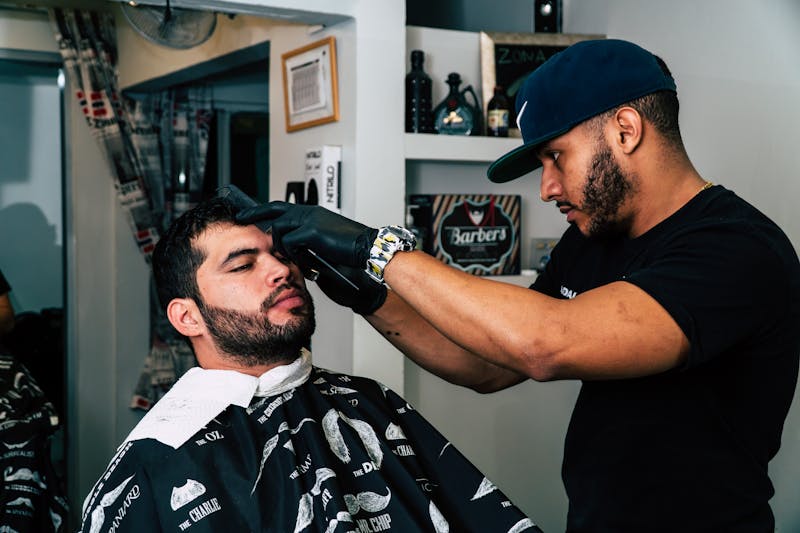
For those who prefer a beard, maintenance is essential. A well-maintained beard looks intentional and polished; an unkempt beard reads as neglect. Invest in quality beard tools — a good trimmer with adjustable guards, sharp scissors for detail work, and a quality beard comb or brush. Wash your beard regularly with a specialized beard shampoo (regular shampoo strips the natural oils that keep beard hair healthy). Condition with beard oil or balm to soften the hair and moisturize the skin underneath. Trim regularly to maintain your desired shape and length, paying attention to the neckline and cheek lines, which define the beard’s shape.
Finding the right facial hair style for your face shape enhances your appearance. A full beard adds visual weight to narrow or long faces, creating balance. A short, trimmed beard or stubble complements square and oval face shapes. A goatee or circle beard can add definition to round faces. Consider your beard growth pattern — not everyone can grow a full, thick beard, and working with your natural growth pattern rather than against it produces better results. If your beard is patchy or sparse, a shorter length or clean-shaven look may be more flattering.
Neck and nose hair grooming is an often-overlooked detail that makes a significant difference. Trim neck hair that extends below your Adam’s apple for a clean neckline. Use a dedicated trimmer to manage nose and ear hair, which becomes more noticeable with age. These small grooming details contribute to an overall polished appearance.
Hair Care and Styling
Your hairstyle is one of the most visible elements of your appearance. A good haircut that suits your face shape and hair type, properly styled and maintained, frames your face and completes your look.
Finding the right hairstyle starts with understanding your face shape. Oval face shapes can wear virtually any style. Round faces benefit from styles with height on top that elongate the face. Square faces are complemented by styles that soften the jawline. Heart-shaped faces are balanced by medium-length styles with volume at the chin. Your barber or stylist can recommend styles that work with your specific features and hair type.
Regular haircuts are essential for maintaining your style. Most men need a haircut every four to six weeks, depending on how fast their hair grows and how precise their style needs to be. Communicate clearly with your barber about what you want — bring a photo if you have a specific style in mind, and be specific about length, texture, and details like the neckline and sideburn length.
Using quality hair products appropriate for your hair type and desired style makes a significant difference. Pomades offer medium to high hold with a shiny finish, ideal for classic, polished styles. Waxes and clays provide flexible hold with a matte finish, suitable for modern, textured looks. Gels offer the strongest hold with a wet look but can dry stiff and flaky. Sea salt sprays add texture and volume to shorter styles. Hair creams and lightweight pastes offer a natural look with minimal hold for those who prefer a more relaxed style.
Scalp health is the foundation of healthy hair. Dandruff, dryness, and excess oil all affect how your hair looks and feels. Use a shampoo appropriate for your scalp condition — medicated shampoos for dandruff, moisturizing shampoos for dry scalp, and clarifying shampoos for oily scalp — and wash as frequently as your hair type requires. Massaging your scalp during washing stimulates circulation and promotes healthy hair growth. If you are experiencing hair thinning or loss, consult a dermatologist early — treatments are most effective when started promptly.
Fragrance
Fragrance is the invisible accessory that completes your presence. The right scent lingers after you leave a room, creating a memorable impression that complements your visual presentation. Choosing and wearing fragrance well is a skill worth developing.
Fragrances are typically categorized by their concentration of aromatic oils. Eau de Cologne (EDC) has the lowest concentration, typically 2-5%, and lasts 1-2 hours. Eau de Toilette (EDT) has 5-15% concentration and lasts 3-5 hours. Eau de Parfum (EDP) has 15-20% concentration and lasts 5-8 hours. Parfum or Extrait has 20-30% concentration and can last 8-12 hours or more. Higher concentrations cost more but require fewer sprays and last longer, making them better value over time.
Choosing a fragrance involves understanding fragrance families and how they interact with your body chemistry. Citrus fragrances — lemon, bergamot, grapefruit — are fresh and energetic, ideal for daytime and warm weather. Woody fragrances — cedar, sandalwood, vetiver — are warm and grounded, suitable for evening and cooler weather. Aromatic fragrances — lavender, rosemary, sage — offer a classic, barbershop-inspired freshness. Oriental fragrances — vanilla, amber, musk — are rich and sensual, appropriate for evening and special occasions. Fresh and aquatic fragrances — sea notes, cucumber, green tea — are light and clean, perfect for casual and office wear.
Testing a fragrance before buying is essential because fragrances smell different on different people due to variations in body chemistry. Spray the fragrance on your wrist and allow it to develop for at least 30 minutes before evaluating — fragrances evolve over time as the top notes fade and the heart and base notes emerge. Do not test more than three or four fragrances at once, as your nose becomes fatigued and cannot accurately distinguish between them. Coffee beans can help reset your sense of smell between tests.
Applying fragrance correctly maximizes its performance. Spray on pulse points — wrists, neck, behind ears, inside elbows — where body heat helps diffuse the scent. Hold the bottle 4-6 inches from your skin when spraying to ensure even distribution. Do not rub your wrists together after applying, as this breaks down the fragrance molecules and alters the scent. Less is more — start with one or two sprays and build up if needed. Fragrance should be discovered, not announced.
Storing fragrances properly preserves their quality. Keep them in a cool, dark place away from direct sunlight and temperature fluctuations — bathroom cabinets are often too humid and warm. The original box provides the best protection from light. Properly stored fragrances maintain their quality for three to five years.
Body Care and Hygiene
Beyond the face and hair, overall body care contributes to your appearance and confidence. These foundational grooming practices are essential elements of a complete grooming routine.
Oral hygiene is critical for both health and appearance. Brush twice daily for two minutes each time, floss daily, and visit your dentist regularly for cleanings and checkups. A bright, healthy smile is one of the most attractive features a person can have. Consider whitening treatments if your teeth are stained, and address any dental issues promptly. Fresh breath is essential for close interactions — carry mints or sugar-free gum for after meals.
Hand and nail care is noticed more than you might think. Keep nails clean, trimmed, and filed smooth. Push back cuticles gently after showering when they are soft — never cut cuticles, as this can lead to infection. Use hand cream regularly, especially in dry weather or after washing hands frequently. Well-maintained hands and nails demonstrate attention to detail that does not go unnoticed.
Body hair management is a personal choice with no universal rules. Some men prefer a natural look, while others prefer to trim or remove body hair. If you choose to groom body hair, use appropriate tools — a body groomer with guards for trimming, not a razor, which can cause irritation and ingrown hairs. Pay attention to the back of your neck, shoulders, and ears — areas you cannot see easily but others notice. Consider asking a partner or barber for help with hard-to-reach areas.
Exercise and diet directly affect your appearance. Regular exercise improves your physique, skin health, and energy levels — all of which contribute to your overall presentation. A balanced diet rich in fruits, vegetables, lean proteins, and healthy fats supports healthy skin, hair, and nails. Staying hydrated — drinking adequate water throughout the day — is one of the simplest and most effective things you can do for your appearance. Sleep is equally important — aim for 7-9 hours per night to allow your body to repair and regenerate.
Building a Grooming Routine
An effective grooming routine does not need to be time-consuming or complicated. The key is consistency — doing a few things well every day rather than many things occasionally. A well-structured routine fits into your lifestyle and becomes habit over time.
A morning routine might include: wash face with cleanser, apply moisturizer with SPF, brush teeth, style hair, and apply deodorant or antiperspirant. This routine takes approximately 10 minutes and sets you up for the day. Add fragrance after your routine is complete, allowing your skin to absorb the products before applying scent.
An evening routine might include: wash face with cleanser (double cleanse if you wore sunscreen), apply treatment products if any, apply night moisturizer, brush and floss teeth, and apply hand cream before bed. This routine takes approximately 5-10 minutes and supports your skin’s overnight recovery process.
Weekly grooming tasks include: exfoliating face, trimming and shaping facial hair, checking and trimming nails, and washing hair with a clarifying shampoo if needed. These tasks take approximately 15-30 minutes once a week and maintain the results of your daily routine. Monthly tasks include haircuts and deeper grooming maintenance like mask treatments or professional grooming services.
Invest in quality tools that make your routine more effective and enjoyable. A good razor, quality scissors, a reliable trimmer, and proper brushes and combs are worth spending money on. Cheap tools produce poor results and can cause damage to your skin and hair. Maintain your tools by cleaning them regularly and replacing blades and batteries as needed.
Pay attention to seasonal changes in your grooming needs. Skin tends to be drier in winter and oilier in summer, so adjust your moisturizer weight accordingly. Sunscreen is non-negotiable year-round but particularly important in summer. Hair may need more moisture in winter and more frequent washing in summer. Your grooming routine should evolve with the seasons just as your wardrobe does.
Professional Grooming Services
While daily grooming is something you manage yourself, professional services provide expertise and results that are difficult to achieve at home. Investing in professional grooming services is worthwhile for key aspects of your appearance.
A good barber is worth their weight in gold. A skilled barber understands face shapes, hair types, and styles, and can recommend cuts and techniques you might not have considered. Building a relationship with a barber who knows your preferences and hair means consistently good haircuts. Visit every four to six weeks for maintenance, and communicate clearly about what you want.
Professional skincare treatments — facials, chemical peels, and microneedling — offer benefits beyond what home products can achieve. A monthly or quarterly facial keeps your skin in optimal condition and addresses specific concerns like congestion, dullness, or signs of aging. These treatments are no longer exclusively for women — an increasing number of men are discovering the benefits of professional skincare.
Other professional services worth considering include teeth whitening for a brighter smile, brow shaping for better facial framing, and waxing or laser hair removal for areas where you prefer permanent hair reduction. These services are investments in your appearance that pay dividends in confidence and presentation.
Conclusion
Men’s grooming in 2026 is about taking care of yourself — not because you are trying to meet someone else’s standards but because you respect yourself enough to present your best face to the world. A well-groomed appearance communicates self-respect, attention to detail, and an understanding that how you present yourself matters. The confidence that comes from knowing you look your best affects every interaction, from professional meetings to personal relationships.
Start where you are and build gradually. You do not need an elaborate 12-step routine or a bathroom full of products. Begin with the basics — cleanse, moisturize, protect — and add steps as you identify specific needs or concerns. Consistency matters more than complexity. A simple routine maintained daily delivers better results than an elaborate routine followed sporadically. Invest in quality tools and products, learn what works for your specific needs, and take pride in presenting your best self to the world every day.