Les meilleures pièces d’investissement dans la mode pour 2026 : des articles intemporels qui valent chaque centime
À l’ère de la fast fashion et des tendances en constante évolution, le concept d’investissement n’a jamais été aussi pertinent. Les pièces d’investissement de mode ne sont pas simplement des articles coûteux : ce sont des vêtements et des accessoires soigneusement sélectionnés qui offrent une valeur exceptionnelle au fil du temps grâce à leur qualité, leur polyvalence et leur style durable. Ils coûtent plus cher au départ, mais coûtent moins cher par usure que les alternatives moins chères qui nécessitent un remplacement fréquent.
L’art de l’investissement nécessite un changement de mentalité, passant de « Qu’est-ce que je veux en ce moment ? » ; à « Qu’est-ce que j’aurai encore envie dans cinq ou dix ans ? » Ce guide couvre les pièces d’investissement dans la mode qui valent votre argent en 2026 (des sacs à main emblématiques aux vêtements d’extérieur sur mesure en passant par les chaussures de qualité) et fournit des conseils pratiques sur la façon de choisir, d’entretenir et de constituer une garde-robe de valeur durable.
Qu’est-ce qui fait de quelque chose un investissement ?
Tous les articles coûteux ne sont pas considérés comme des investissements. Les véritables investissements dans la mode partagent plusieurs caractéristiques distinctives qui les distinguent des achats simplement coûteux. Comprendre ces caractéristiques vous aide à prendre des décisions d’achat plus judicieuses et à éviter le piège de payer un prix élevé pour quelque chose qui n’offre pas de valeur durable.
La qualité des matériaux est le premier et le plus important critère. Les pièces d’investissement sont fabriquées à partir de matériaux de qualité supérieure : cuir pleine fleur, pur cachemire, laine de haute qualité, coton épais, soie véritable. Ces matériaux non seulement ont une meilleure apparence et un meilleur toucher que leurs homologues synthétiques, mais vieillissent également avec élégance, développant leur caractère et leur patine au fil du temps plutôt que de boulocher, de se décolorer ou de s’effondrer. La différence entre un pull à 200 $ et un pull à 600 $ n’est pas seulement l’étiquette : c’est la qualité du fil, la densité du tricot et l’intégrité de la construction.
La qualité de la construction est tout aussi importante. Les pièces d’investissement comportent des coutures renforcées, une doublure appropriée, du matériel de qualité et des détails réfléchis que les vêtements moins chers ignorent. Un blazer bien construit a une construction en toile sur la poitrine (non fusionnée), des boutons fonctionnels solidement attachés et une doublure correctement finie. Un sac à main de qualité comporte des points de tension renforcés, des fermetures éclair robustes et une peinture sur les bords soigneusement appliquée. Ces détails de construction déterminent la durée de vie de la pièce et la façon dont elle conserve sa forme et son apparence au fil du temps.
Le design intemporel est la troisième caractéristique essentielle. Les pièces d’investissement transcendent les tendances saisonnières : ce sont des modèles classiques qui sont désirables depuis des décennies et le resteront pendant des décennies encore. Un trench-coat, un sac à main en cuir à la silhouette classique, un blazer ajusté, un simple rang de perles : ce sont des créations qui ont prouvé leur résistance. Ils ne sont ni à la mode ni nouveaux ; ils sont fondamentaux. Cela ne veut pas dire qu’ils sont ennuyeux ; cela signifie que leur attrait est durable plutôt que passager.
La polyvalence est le dernier critère. Une pièce d’investissement fonctionne avec plusieurs tenues dans plusieurs contextes. Un blazer bleu marine fonctionne avec un jean, un pantalon chino, un pantalon habillé et même un short décontracté. Un fourre-tout en cuir noir convient au bureau, aux voyages et aux courses du week-end. Les pièces d’investissement les plus précieuses sont celles qui s’intègrent parfaitement à votre garde-robe existante et servent à plusieurs fins. Le coût par port (un calcul utile pour évaluer tout achat) diminue considérablement lorsqu’une pièce est portée fréquemment dans de nombreux contextes.
Sacs à main d’investissement et articles en cuir
Les sacs à main sont peut-être la catégorie d’articles de mode la plus reconnue, et pour cause. Les sacs à main de qualité des marques patrimoniales prennent souvent de la valeur au fil du temps, en particulier les éditions limitées et les styles emblématiques. Même sans appréciation, un sac à main bien fait dure des décennies s’il est correctement entretenu, offrant une valeur exceptionnelle tout au long de sa durée de vie.
Le sac à rabat classique en cuir de veau noir est l’investissement ultime dans un sac à main. Le Classic Flap de Chanel, les Kelly et Birkin d’Hermès et les Capucines de Louis Vuitton en sont les exemples les plus célèbres, mais le style lui-même – un sac à rabat structuré en cuir de haute qualité avec une chaîne ou une bandoulière en cuir – transcende n’importe quelle marque. Les clés pour choisir un bon sac à rabat sont le cuir pleine fleur, les détails robustes (dorés ou argentés, selon vos préférences) et une taille adaptée à votre style de vie. Une taille moyenne dans une couleur neutre offre une polyvalence maximale.
Le fourre-tout structuré est le cheval de bataille des sacs à main d’investissement. Un fourre-tout en cuir bien fait et de forme classique convient au bureau, aux voyages et aux courses quotidiennes. Le Goyard Saint Louis, le Louis Vuitton Neverfull et le Tods D-Styling Bag sont des exemples emblématiques, mais de nombreuses marques proposent d’excellents fourre-tout structurés. Les principales caractéristiques à rechercher sont un cuir durable ou une toile enduite, des poignées renforcées qui peuvent supporter du poids sans s’étirer et une forme qui maintient sa structure même lorsqu’elle est pleine. Un fourre-tout noir ou marron de taille moyenne à grande est l’un des investissements les plus pratiques que vous puissiez faire.
Le sac à bandoulière offre une commodité mains libres dans un emballage compact. Un sac à bandoulière en cuir de qualité de forme classique – le sac de selle, le sac pour appareil photo ou le sac en forme de croissant – offre une praticité au quotidien sans sacrifier le style. Recherchez des bretelles réglables confortables pour un port prolongé, des fermetures sécurisées et une organisation intérieure suffisante pour vos essentiels quotidiens. Un sac à bandoulière de couleur neutre de taille moyenne convient à tout, des courses aux événements en soirée.
Les petits articles en cuir (portefeuilles, porte-cartes et ceintures) sont des points d’entrée accessibles pour l’investissement. Un portefeuille ou un porte-cartes en cuir de qualité d’une marque réputée coûte une fraction de ce que coûte un sac à main, mais offre la même qualité de matériaux et de construction. Une ceinture en cuir bien faite au design classique avec une simple boucle rehausse chaque tenue qu’elle touche et dure des décennies. Ces petits investissements sont d’excellentes occasions de découvrir la différence que fait la qualité avant de s’engager dans des achats plus importants.
L’entretien du cuir est essentiel pour protéger votre investissement dans les sacs à main et la maroquinerie. Rangez les sacs remplis de papier de soie dans leur sac à poussière lorsqu’ils ne sont pas utilisés pour conserver leur forme. Conditionnez le cuir tous les trois à six mois avec un conditionneur de cuir de haute qualité pour éviter le dessèchement et les fissures. Protégez les sacs de la pluie et de l’humidité et nettoyez-les rapidement s’ils sont mouillés. Changez régulièrement vos sacs plutôt que d’utiliser le même tous les jours : le cuir profite du repos entre les utilisations. Avec des soins appropriés, un sac à main en cuir de qualité peut durer 20 ans ou plus.
Vêtements d’investissement
Les vêtements d’extérieur sont le vêtement le plus visible que vous possédez et l’un des investissements les plus efficaces que vous puissiez faire. Un manteau de qualité est la première chose que les gens voient lorsque vous entrez dans une pièce pendant les mois les plus frais et encadre tout ce que vous portez en dessous. Les vêtements d’extérieur ont également tendance à avoir le coût par vêtement le plus bas de toutes les catégories, puisque vous les portez pratiquement tous les jours pendant la saison.
Un manteau classique en laine ou en cachemire de couleur neutre constitue la base d’une garde-robe d’investissement en vêtements d’extérieur. Le style – boutonnage simple, revers cranté, longueur mi-mollet, en noir, anthracite, camel ou bleu marine – est un incontournable de la mode masculine et féminine depuis plus d’un siècle. Les caractéristiques de qualité incluent une teneur élevée en laine ou en cachemire (80 % ou plus), un tissu étroitement tissé qui résiste au boulochage, une doublure complète et une construction appropriée avec des épaules renforcées et des manches correctement ajustées. Un pelage de ce niveau de qualité, correctement entretenu, dure 15 à 20 ans ou plus. Les exemples emblématiques incluent le manteau camel Max Mara, le trench héritage Burberry et les styles classiques de Loro Piana et Brunello Cucinelli.
Le trench-coat est un investissement du printemps et de l’automne qui mérite sa place dans toute garde-robe sérieuse. Conçu à l’origine comme vêtement d’extérieur militaire, le trench-coat est devenu un incontournable de la mode intemporel qui s’adapte aussi bien à un costume, qu’à un jean ou à une robe. Les principaux indicateurs de qualité comprennent une construction en gabardine de coton, des boutons en corne ou en cuir véritable, des surpiqûres précises ainsi qu’une ceinture et des épaulettes fonctionnelles. Le trench-coat Burberry Heritage en est l’exemple définitif, mais des options de qualité sont disponibles à de nombreux niveaux de prix auprès de marques spécialisées dans les vêtements d’extérieur.
Une veste en cuir est une pièce d’investissement qui ne fait que s’améliorer avec l’âge. Une veste en cuir bien confectionnée dans un style classique – le blouson de motard, le bomber, le racer – développe au fil du temps une patine unique qui la rend de plus en plus personnelle et distinctive. Les vestes en cuir de qualité utilisent du cuir pleine fleur ou de première qualité, sont dotées de fermetures éclair robustes provenant de fabricants de qualité comme Riri, Talon ou YKK et sont entièrement doublées. Le cuir doit être solide mais pas rigide. Une veste en cuir, bien entretenue, dure toute une vie et devient souvent un héritage précieux. Schott, Saint Laurent, Acne Studios et ACNE proposent des vestes en cuir à différents niveaux d’investissement.
Tenez compte de votre climat lorsque vous investissez dans des vêtements d’extérieur. Si vous vivez dans un climat doux qui nécessite rarement des manteaux épais, un trench-coat ou une veste en cuir de qualité peut vous être plus précieux qu’un manteau en laine épais. Si vous rencontrez des hivers rigoureux, une parka technique ou en duvet de haute qualité de marques comme Canada Goose, Moncler ou Patagonia est un investissement rentable qui offre des années de chaleur et de durabilité. Le meilleur investissement est celui qui correspond à votre style de vie et à votre climat réels, et non celui qui paraît le mieux dans un magazine.
Chaussures d’investissement
Les chaussures sont essentielles à toute tenue, et des chaussures de qualité sont l’un des indicateurs les plus visibles du style général. Les chaussures bien faites sont non seulement plus belles et durent plus longtemps que les alternatives bon marché, mais offrent également un confort supérieur et des avantages pour la santé des pieds. Les chaussures constituent également l’une des catégories d’investissement les plus rentables, car les chaussures de qualité peuvent être ressemelées et réparées indéfiniment.
Pour les hommes, une paire de chaussures habillées de qualité dans un style classique est l’investissement essentiel en matière de chaussures. Une chaussure Oxford en cuir de veau noir est l’option la plus formelle et la plus polyvalente, adaptée aux affaires, aux événements formels et aux occasions plus habillées. Une chaussure Derby ou Blucher marron ou bordeaux offre une polyvalence légèrement plus décontractée. Les caractéristiques de qualité incluent une construction cousue Goodyear (qui permet le ressemelage), une tige en cuir pleine fleur, des semelles en cuir (au moins au début – vous pouvez ajouter des pièces supérieures en caoutchouc plus tard) et une taille appropriée qui tient compte de l’étirement naturel du cuir. Des marques comme Crockett & Jones, Edward Green, Alden, Allen Edmonds et Carmina représentent différents niveaux de qualité d’investissement dans les chaussures habillées pour hommes.
Pour les femmes, les escarpins classiques de couleur neutre sont l’investissement idéal dans les chaussures habillées. Un escarpin bien fait en cuir noir ou nude avec une hauteur de talon dans laquelle vous pouvez marcher confortablement – généralement 60 à 90 mm pour la plupart des femmes – constitue la base d’innombrables tenues. Les caractéristiques de qualité comprennent du cuir pleine fleur ou verni, des semelles intérieures correctement rembourrées, une construction de talon renforcée et une taille qui offre un ajustement sûr sans pincement. Manolo Blahnik, Christian Louboutin, Jimmy Choo et Ferragamo sont les noms historiques, mais de nombreuses marques proposent des escarpins de qualité à différents niveaux de prix.
Les bottes de tous types constituent d’excellents investissements dans les chaussures en raison de leur durabilité et de leur polyvalence. Pour les femmes, des bottines à la silhouette classique – la botte Chelsea, la botte Western ou la botte à semelle crantée – en cuir noir ou marron s’agencent avec des jeans, des robes, des jupes et des pantalons sur plusieurs saisons. Les bottes de qualité sont dotées d’un cuir pleine fleur, d’une trépointe Goodyear ou d’un point Blake et de semelles extérieures durables qui peuvent être remplacées. Pour les hommes, une paire de bottes en cuir de qualité (bottes Chelsea pour les occasions plus habillées, bottes de travail pour un style décontracté) offre des années de service avec un entretien et un entretien appropriés.
Même les chaussures décontractées bénéficient d’une approche d’investissement. Les baskets de qualité de marques comme Common Projects, Axel Arigato, Veja ou Golden Goose coûtent plus cher que les baskets du marché de masse mais offrent un cuir de qualité supérieure, une meilleure construction et des designs plus raffinés qui se marient bien avec des tenues décontractées et habillées. Une paire de mocassins en cuir de qualité (styles penny, pompon ou mors de cheval) passe facilement du style décontracté au style business décontracté et, avec un entretien régulier, dure 10 ans ou plus.
L’entretien des chaussures n’est pas négociable pour protéger vos investissements en chaussures. Utilisez des embauchoirs en cèdre après chaque utilisation pour absorber l’humidité et conserver leur forme. Nettoyez et conditionnez régulièrement le cuir. Changez vos chaussures : ne portez jamais la même paire deux jours de suite, car le cuir a besoin de 24 heures pour sécher complètement entre deux utilisations. Réinstallez les chaussures cousues Goodyear lorsque les semelles sont fines plutôt que d’attendre qu’elles tombent en panne. Avec des soins appropriés, des chaussures de qualité durent 10 à 20 ans ou plus, ce qui en fait l’un des meilleurs investissements dans votre garde-robe.
Adaptation et costumes d’investissement
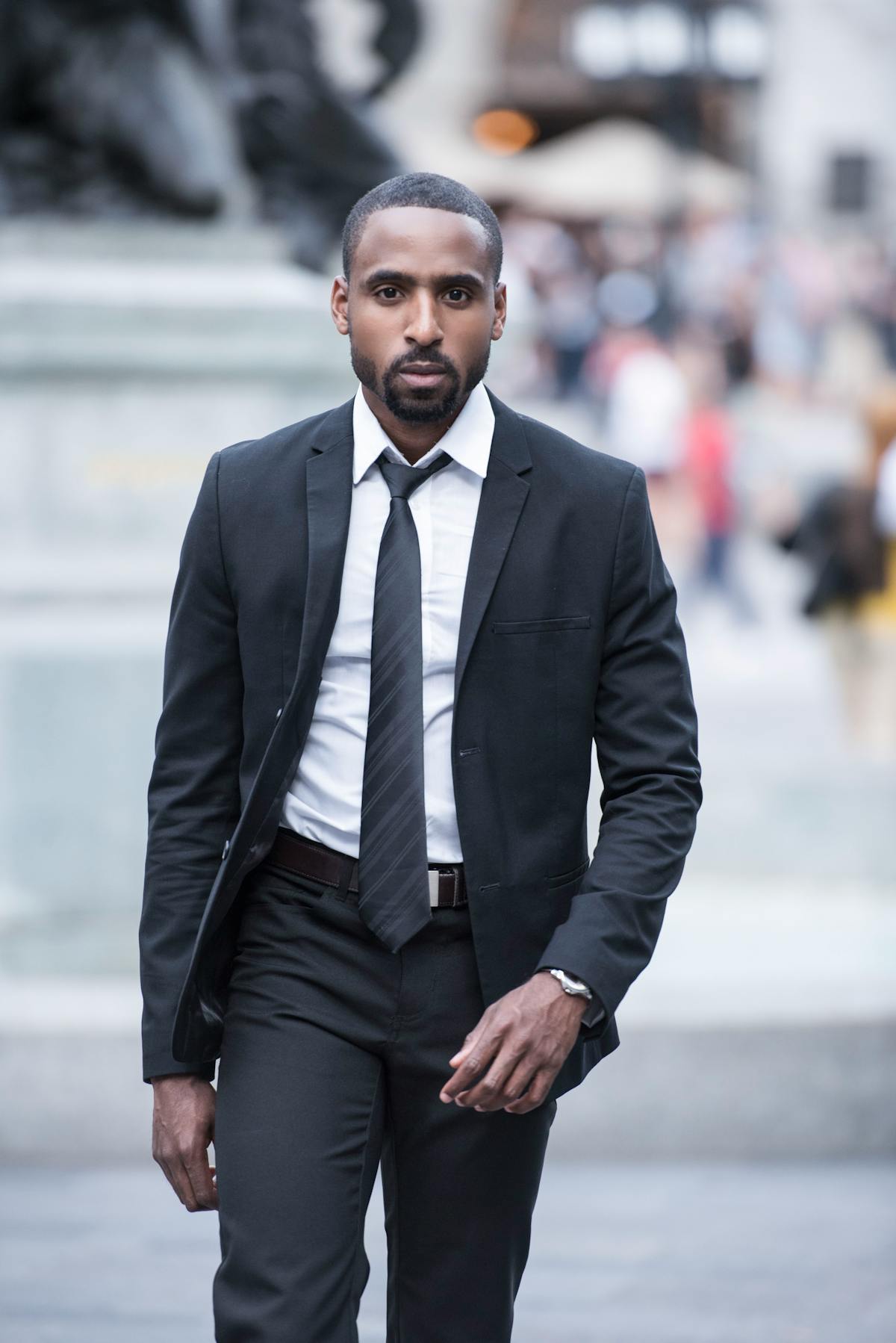
Un costume de qualité est un investissement important qui rapporte des dividendes dans des contextes professionnels et sociaux. Que vous portiez un costume quotidiennement ou uniquement pour des occasions spéciales, avoir un ou deux costumes bien confectionnés dans des styles classiques vous garantit d’être habillé de manière appropriée et impressionnante lorsque la situation l’exige.
Un costume en laine peignée bleu marine est le costume le plus polyvalent qu’une personne puisse posséder. Navy travaille pour les affaires, les mariages, les funérailles, les interviews et les soirées. Une veste à deux boutons, à boutonnage simple et à revers crantés, portée avec un pantalon sans pinces, est le style le plus universellement approprié. Les caractéristiques de qualité comprennent une construction en demi-toile ou en toile complète (non fusionnée), de la laine Super 100 à Super 150, des boutons en corne, des boutonnières fonctionnelles et des pantalons de taille moyenne et de jambe droite ou légèrement fuselée. Les costumes de ce niveau de qualité, correctement pivotés et entretenus, durent 10 à 15 ans ou plus.
Un costume anthracite ou gris moyen est le deuxième investissement indispensable. Le charbon de bois est légèrement plus formel que le bleu marine et constitue la norme pour les entreprises dans de nombreux secteurs. Les mêmes normes de qualité s’appliquent : construction en toile, laine de qualité et ajustement approprié. Deux bons costumes bleu marine et anthracite couvrent pratiquement toutes les occasions nécessitant un costume. Des costumes supplémentaires dans des couleurs plus claires ou dans des tissus plus distinctifs peuvent être ajoutés selon vos besoins et votre budget, mais ces deux bases couvrent la grande majorité des occasions de porter un costume.
Pour les femmes, un blazer bien ajusté de couleur neutre est l’investissement le plus polyvalent en matière de couture. Un blazer de qualité bleu marine, noir ou crème s’agence avec des pantalons, des jupes, des robes et même des jeans de haute qualité. Recherchez une construction de couture appropriée : épaules en toile ou structurées, doublure de qualité et boutons durables. Un blazer qui s’adapte parfaitement au support est rare – prévoyez des modifications pour obtenir l’ajustement idéal au niveau des épaules, de la taille et de la longueur des manches. Un blazer parfaitement ajusté rehausse n’importe quelle tenue et projette confiance et autorité.
Les pantalons ajustés fabriqués dans des tissus de qualité sont des pièces d’investissement essentielles. Un pantalon bien confectionné en laine ou en laine mélangée de couleur neutre – noir, bleu marine, anthracite ou beige – constitue la base d’innombrables tenues. Les caractéristiques de qualité comprennent une doublure appropriée à la taille et au siège, des fermetures éclair et des fermetures de qualité et un tissu suffisamment lourd pour un drapé correct. L’ajustement est primordial : le pantalon doit être ourlé à la bonne longueur et ajusté à la taille pour un ajustement parfait sans ceinture.
Bijoux et montres d’investissement
Les bijoux raffinés et les montres représentent le niveau le plus élevé d’investissement dans la mode, car ils conservent ou s’apprécient souvent tout en servant de décorations quotidiennes. Ces pièces sont souvent les pièces les plus personnelles et les plus significatives d’une garde-robe, devenant souvent des objets de famille transmis de génération en génération.
Une montre de qualité est peut-être l’investissement de mode le plus traditionnel. Une montre mécanique d’une marque réputée dans un style classique – un boîtier rond simple, un cadran épuré et un bracelet en cuir ou en métal – sert à la fois d’outil fonctionnel et de bijou. Les montres d’investissement d’entrée de gamme de marques comme Rolex, Omega, Cartier et Jaeger-LeCoultre conservent souvent bien leur valeur et peuvent s’apprécier avec le temps. La clé est de choisir un style classique et polyvalent que vous aimerez porter pendant des décennies – une Rolex Datejust ou Submariner, une Omega Speedmaster ou Seamaster, ou une Cartier Tank en sont des exemples éprouvés. Pour les femmes, une montre classique avec un cadran simple et un bracelet en métal ou en cuir d’une taille proportionnelle à votre poignet est un investissement intemporel.
Les bijoux simples en métaux précieux constituent l’investissement en bijoux le plus sûr. Une paire de boucles d’oreilles en or ou en diamant, un simple collier chaîne en or, un bracelet tennis classique ou une alliance unie en or ou en platine sont des pièces qui ne se démodent jamais et peuvent être portées quotidiennement pendant des décennies. Les caractéristiques de qualité incluent l’or massif (non rempli ou plaqué d’or), des pierres bien serties avec des griffes sécurisées et des designs simples qui conviennent aussi bien à 60 qu’à 30. Les bijoux raffinés de bijoutiers patrimoniaux comme Tiffany & #038; Co., Cartier, Van Cleef & Arpels et Bulgari offrent à la fois qualité et valeur de revente.
Les perles constituent un investissement joaillier unique qui allie style classique et contemporain. Un simple brin de perles de culture de qualité – les perles Akoya du Japon sont la référence – convient aux mariages, aux galas et aux événements formels, mais peut également être porté en longueurs plus courtes avec des tenues décontractées pour une touche moderne. Les perles de qualité ont un lustre élevé, une bonne qualité de surface et une nacre épaisse. Mikimoto est le nom le plus reconnu en matière de perles de qualité, mais des bijoutiers réputés proposent des perles de culture de qualité à différents prix.
Les bijoux vintage et anciens offrent un potentiel d’investissement combiné à un caractère unique que l’on ne retrouve pas dans les pièces contemporaines. Les pièces victoriennes, édouardiennes, Art déco et rétro présentent chacune des caractéristiques de conception distinctives qui séduisent les collectionneurs et les passionnés de mode. Les bijoux vintage de la période moderne du milieu du siècle et les bijoux fantaisie de créateurs de noms comme Trifari, Coro et Miriam Haskell sont de plus en plus à collectionner. Lorsque vous achetez des bijoux vintage, achetez auprès de revendeurs réputés qui garantissent l’authenticité et fournissent des descriptions précises de leur état.
Des soins appropriés protègent vos investissements en bijoux. Rangez les pièces séparément pour éviter les rayures, nettoyez-les régulièrement avec des méthodes appropriées pour chaque matériau et faites inspecter les bijoux fins chaque année par un bijoutier professionnel qui peut vérifier les pierres détachées, les griffes usées et d’autres problèmes. Assurez les pièces de valeur dans le cadre de votre police d’assurance habitation ou locataire ou auprès d’un fournisseur d’assurance bijoux spécialisé. Avec des soins appropriés, les bijoux de qualité durent des siècles et peuvent être transmis comme objets de famille.
Construire une garde-robe d’investissement
Créer une garde-robe de pièces d’investissement est un processus progressif qui nécessite de la patience, des recherches et une prise de décision stratégique. Le but n’est pas de tout acheter d’un coup mais de construire intentionnellement au fil du temps, en ajoutant des pièces qui méritent leur place dans votre garde-robe et vous serviront pendant des années.
Commencez par les pièces que vous portez le plus souvent. Les articles ayant le potentiel de coût par usure le plus élevé sont ceux que vous utilisez quotidiennement ou hebdomadairement : un manteau d’hiver, un sac à main, des chaussures de travail, une montre. Celles-ci devraient être vos premières priorités d’investissement car la différence de qualité aura le plus d’impact sur votre vie quotidienne. Un manteau d’hiver bon marché qui doit être remplacé tous les deux ans coûte plus cher sur une décennie qu’un manteau de qualité qui dure 15 ans, et un manteau de qualité vous garde au chaud et est plus beau tout au long de cette période.
Faites des recherches approfondies avant d’acheter. Lisez les critiques provenant de plusieurs sources, examinez les pièces en personne lorsque cela est possible et apprenez à évaluer la qualité par vous-même. Comprenez les différences entre les matériaux et les techniques de construction afin de pouvoir faire des comparaisons éclairées. Un acheteur bien informé est beaucoup moins susceptible d’être déçu par un achat qu’une personne qui se fie uniquement à la réputation de la marque ou au prix. La qualité n’est pas toujours liée à la qualité de la marque : de nombreuses marques moins connues produisent une qualité exceptionnelle à des prix plus accessibles.
Achetez d’occasion pour une valeur maximale. Le marché de la revente de mode de luxe a explosé ces dernières années, offrant l’accès à des pièces d’investissement à des rabais importants par rapport aux prix de détail. Les sacs à main, montres et bijoux de luxe d’occasion provenant de revendeurs réputés sont pratiquement impossibles à distinguer des pièces neuves mais coûtent 30 à 70 % de moins. L’état est critique lors de l’achat d’occasion : recherchez des pièces en excellent état avec une usure minimale et tenez compte du coût des réparations ou de l’entretien nécessaires dans votre décision d’achat. The RealReal, Vestiaire Collective, Rebelle et Fashionphile sont des plateformes établies de mode de luxe d’occasion authentifiée.
Prévoyez l’entretien dans le cadre de votre investissement. Les pièces de qualité nécessitent des soins continus – nettoyage à sec, conditionnement, ressemelage, entretien – qui coûtent de l’argent au fil du temps. Une chaussure cousue Goodyear a besoin de nouvelles semelles toutes les quelques années. Une montre mécanique nécessite un entretien tous les cinq à sept ans. Un manteau de qualité nécessite un nettoyage professionnel et des réparations occasionnelles. Tenez compte de ces coûts dans votre décision de propriété et budgétisez-les au fur et à mesure qu’ils surviennent. Une pièce correctement entretenue dure des années ou des décennies plus longtemps qu’une pièce négligée, ce qui fait des coûts d’entretien un investissement rentable dans la longévité.
Apprenez à évaluer le coût par usure plutôt que le prix d’achat. Un manteau à 1 000 $ porté 100 fois par an pendant 15 ans coûte 0,67 $ par port. Un manteau à 200 $ porté 50 fois par an pendant 2 ans coûte 2,00 $ par port. La pièce d’investissement est nettement moins chère selon cette mesure, et elle est probablement plus belle et vous garde au chaud tout au long de sa durée de vie. Ce changement de perspective est essentiel pour prendre des décisions d’investissement intelligentes. Le coût par usure tient compte de la qualité, de la durabilité et de l’utilisation réelle de la pièce, et pas seulement de ce que vous avez payé à la caisse.
Conclusion
Les pièces d’investissement dans la mode ne sont pas une question de luxe en soi. Il s’agit de faire des choix intentionnels qui apportent de la valeur au fil du temps – des choix qui vous permettent d’économiser de l’argent, de réduire les déchets et de construire une garde-robe qui vous servira à merveille pendant des années ou des décennies. Les meilleurs investissements sont ceux qui correspondent à votre vie, votre style et vos valeurs, pas seulement ceux avec les logos les plus reconnaissables ou les prix les plus élevés.
Construire une garde-robe d’investissement est un voyage, pas une destination. Commencez par les pièces qui comptent le plus dans votre vie quotidienne, faites des recherches approfondies, achetez la meilleure qualité que vous pouvez vous permettre et entretenez ce que vous possédez. Au fil du temps, votre garde-robe devient une collection de pièces que vous aimez et sur lesquelles vous comptez – des pièces chargées d’histoire et de caractère qui ont gagné leur place dans votre vie. C’est le véritable retour sur investissement dans la mode : pas seulement des vêtements qui durent, mais une garde-robe qui fait partie de qui vous êtes.